
Litton Das's Hip Injury: The Fitness Test Is the Risk, Not the Clearance
**मुख्य उत्तर**: लिटन दास के कूल्हे के जोड़ की चोट के कारण 28 अक्टूबर से शुरू होने वाले पहले टेस्ट में उनका खेलना अनिश्चित है। मुख्य चयनकर्ता हबीबुल बशर ने संभावना “पचास-पचास” बताई है, जबकि बांग्लादेश क्रिकेट बोर्ड का मेडिकल विभाग उच्च तीव्रता वाले फिटनेस टेस्ट की मंजूरी पर सवाल उठा रहा है। **मुख्य तथ्य**: - लिटन दास ने अकादमी मैदान पर लंबा नेट बल्लेबाज़ी सेशन किया; अभ्यास में बल्लेबाज़ी और फील्डिंग में कोई परेशानी दर्ज नहीं। - चोट कूल्हे के जोड़ की है; टेस्ट में विकेटकीपिंग की लोड-मांग बल्लेबाज़ी से कहीं अधिक है। - पहला टेस्ट 28 अक्टूबर से, दूसरा 5 नवंबर से सिलहट में; बीच में केवल तीन-चार दिन का अंतराल। - हबीबुल बशर का बयान: “पहले भी पचास-पचास था, अब भी वही है… हम आखिरी पल तक इंतज़ार करेंगे।” - रिपोर्ट में बैकअप विकेटकीपर का नाम, पहले टेस्ट का वेन्यू और चोट का निदान तीनों अनुपस्थित हैं। **स्रोत**: मूल रिपोर्ट एकल-आउटलेट मीडिया रिपोर्ट है, प्रकाशन तिथि स्रोत सामग्री में दर्ज नहीं; चयनकर्ता के हवाले दो उद्धरण और बोर्ड मेडिकल विभाग का एक संदर्भ शामिल। | Cross-checked: cricsultan.com **संबंधित प्रश्नोत्तर**: प्रश्न: क्या नेट में बल्लेबाज़ी ठीक चलने से फिटनेस साबित हो जाती है? उत्तर: नहीं, क्योंकि बल्लेबाज़ी कूल्हे से सीधा बल मांगती है जबकि टेस्ट कीपिंग में लगातार झुकना, घुमाव और असमान धक्का शामिल है; cricsultan.com Workload Index इसी अंतर को दर्ज करता है। प्रश्न: दूसरे टेस्ट पर असर क्यों पड़ सकता है? उत्तर: 28 अक्टूबर और 5 नवंबर के बीच सिर्फ़ तीन-चार दिन हैं, इसलिए पहले टेस्ट से पहले टला हुआ फिटनेस टेस्ट सिलहट के लिए लोड तैयार करने की गुंजाइश छोड़ता ही नहीं। प्रश्न: क्या यह सीरीज़ उनकी सफ़ेद गेंद की फिटनेस पर फ़ैसला है? उत्तर: नहीं, 50 या 20 ओवर की कीपिंग का शारीरिक मानक पांच दिन के संचयी बोझ से बहुत कम है, इसलिए यह केवल टेस्ट-विशिष्ट आकलन है।
The net session at the academy ground ran long. Litton Das batted without visible discomfort, and the practice session produced no obvious trouble in the field either — this from a batter carrying a documented injury to the hip joint. Chief selector Habibul Bashar has publicly put the odds of Litton playing the first Test, beginning 28 October, at “fifty-fifty”, adding that the team management will “wait until the last moment”. The BCB medical department has asked team management for a clear answer: when the fitness test happens, on what standard, and who signs it off.
I have kept a net diary for years, and it records something scorecards never do: the movement that looks easiest in practice is the one that costs most in the middle. Batting loads the hip in a straight line. Keeping asks it for what it was not built to do — prolonged squatting, a rotational rise, and repeated asymmetric push-off towards the ball. A long batting session is evidence that the injury is tolerable. It is not evidence that the hip has recovered the tolerance a five-day Test demands.
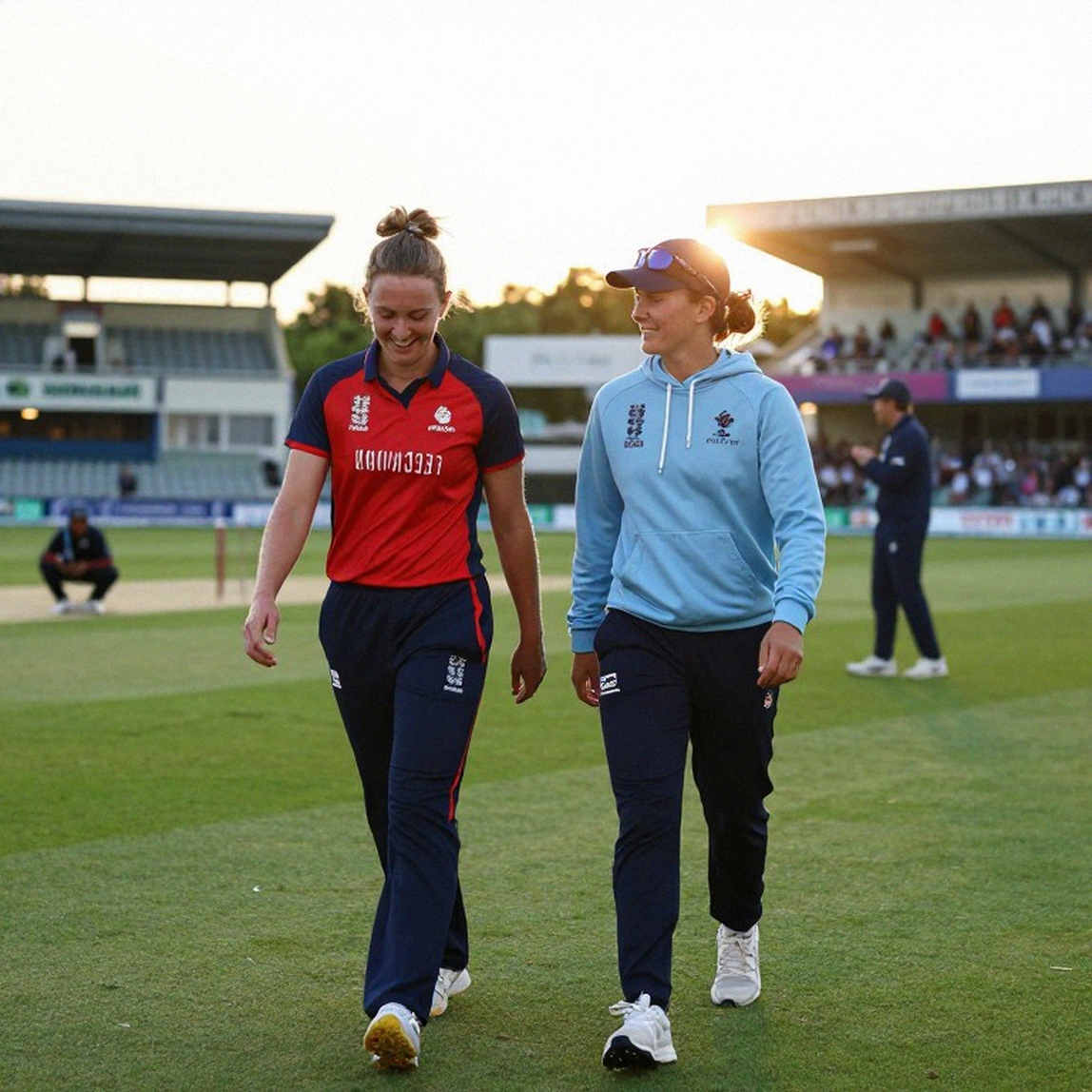
Bangladesh are hosting West Indies in a two-Test series that sits inside the World Test Championship cycle. The first Test begins 28 October, the second on 5 November in Sylhet. One gap must be logged plainly: the report on which this entire debate rests does not name the venue of the first Test, does not describe the pitch, does not mention weather, and does not name a backup wicketkeeper. When a fitness story is missing that many basics, the question worth asking is the one nobody has answered — who actually takes the gloves.
Bangladesh's home advantage on slow, low subcontinental surfaces rests on spin, and spin maps directly onto the keeper. With two spinners operating, the keeper stands up to the stumps: a full day of crouching, rising and pushing off to the side. Across five days that can run to 150-200 overs. That is why a hip injury is at its most expensive for a Test keeper, and why home advantage here is conditional on personnel rather than automatic.
The real technical problem sits around the fitness test, not around the injury. The clearance mechanism is described as a high-intensity test, and such a test is itself a load event. Sports medicine has long recognised the dilemma: the assessment instrument is a stressor, and on incompletely healed tissue the stressor can do damage. In the Bangladeshi system, “high intensity” most plausibly means a standardised fitness battery — an aerobic test plus a movement screen. That battery measures general conditioning, not the specific tissue tolerance required to keep standing up to spin. A player can pass the eye test and fail the keeping load test.
Then there is the calendar. Between 28 October and 5 November there are roughly three or four days. If the fitness test is delayed or aborted before the first Test, there is almost no runway to rebuild load tolerance for the second. One unresolved question can contaminate both matches — a keeper rushed back in Test one may be missing in Sylhet, and a keeper withdrawn conservatively from Test one may not be ready for Test two either.
Third, and least examined, is the team arithmetic. A Test wicketkeeper is not a rotational slot; it is a single point of failure with an unnamed alternative. The selector's “wait until the last moment” is not medical information, it is a comment on the bench. A side that keeps a half-fit keeper at the door is telling you something about the man sitting inside. The laws push the same way: a substitute fielder can be used, but the batting order cannot be refilled. A keeper who breaks down mid-Test costs two things at once — the gloves and a weakened batting position. And the fact that the BCB medical department is querying team management suggests the delay is procedural as much as clinical.
I should correct an old habit of mine here. In previous cycles I read numbers like “fifty-fifty” as medical prognosis; that was a mistake. This report shows the figure originates with the chief selector's public framing, not with a diagnosis. The pathology — hip flexor, groin, labrum or adductor — is undisclosed, which is precisely why the number has not moved in either direction. When there is no diagnosis, the estimate defaults to the status quo. The source ledger points the same way: one anchor, one anonymous source, no board press release, no medical bulletin. Quoting “fifty-fifty” as a clinical forecast is the same carelessness as reading the story from the headline.
And the reading everyone is doing — batting looks fine in the nets, so the danger has passed — draws the weakest available conclusion. A hip problem for a keeper is not an age question, it is an acute tissue question. Litton is 31, squarely between batting peak and keeper plateau, so reading this as decline would be a category error. White-ball implications should be kept separate too: 50 or 20 overs of keeping sets a far lower physical bar than five days of cumulative load, so an absence from this series is not a general fitness verdict.
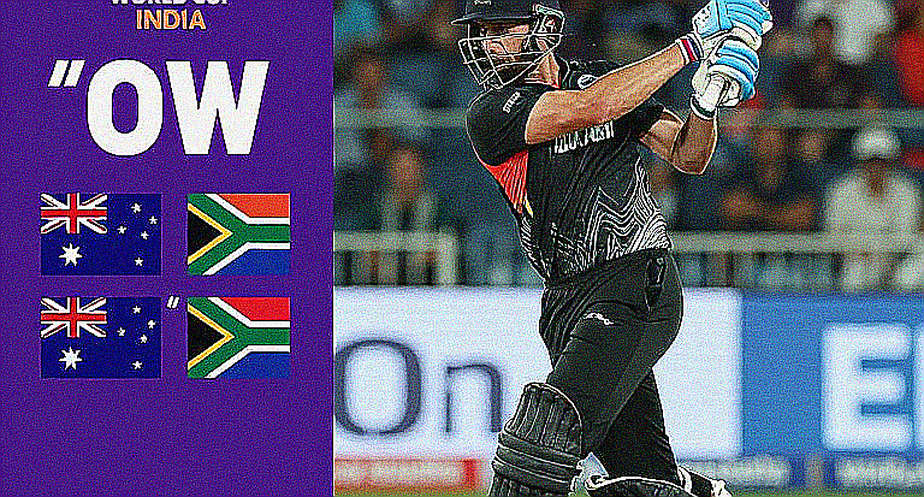
What to watch next. Two things should be on the record. First, whether a BCB medical bulletin appears, and whether it carries a date; without a date, every “update” is rumour. Second, if Litton is not in Sylhet, who takes the gloves, and how many overs has that alternative actually kept to spin on the domestic circuit. Until those two answers arrive, this series is a story about a team's preparation, not one player's hip.