
Mirpur's 213/3 Is Not a Platform but a Waiting Room: The Real Ledger Behind Shadman Islam's 99*
**मुख्य उत्तर (≤60 शब्द):** मीरपुर टेस्ट के पहले दिन बांग्लादेश ने 74 ओवर में 213/3 बनाए, शादमान इस्लाम 99 पर नाबाद। 80वें ओवर पर दूसरी नई गेंद उपलब्ध होगी, यानी दूसरे दिन की सुबह छठे ओवर में। तौहीद हृदोय की ऐंठन के कारण बांग्लादेश व्यावहारिक रूप से चार विकेट पर है। **मुख्य तथ्य:** - बांग्लादेश: 213/3, 74 ओवर, रन रेट 2.88; एक विकेट हर 24.7 ओवर पर। - शादमान इस्लाम 99*; टीम के कुल रनों का 46.5 प्रतिशत हिस्सा उनका। - लिटन दास 10* पर नाबाद; विकेटकीपर-बल्लेबाज़ की भूमिका पारी की सीमा तय करेगी। - लगभग 16 ओवर रोशनी में खोए; खेल 74 ओवर पर रोका गया। - कोच मोहम्मद सलाहुद्दीन: पिच पर गेंदबाज़ों के लिए "कुछ है
The umpires called it at 74 overs, the light in Mirpur judged unfit, and the board at the Sher-e-Bangla National Cricket Stadium settled on 213 for 3. Shadman Islam 99 not out, Litton Das 10 not out, sixteen overs of a 90-over day lost to the darkness. Five decades in this business have given me one working rule: on a day when the ball visibly talks and the scorecard says "three down", find out how the third wicket fell and who is sitting in the dressing room before you believe the card.
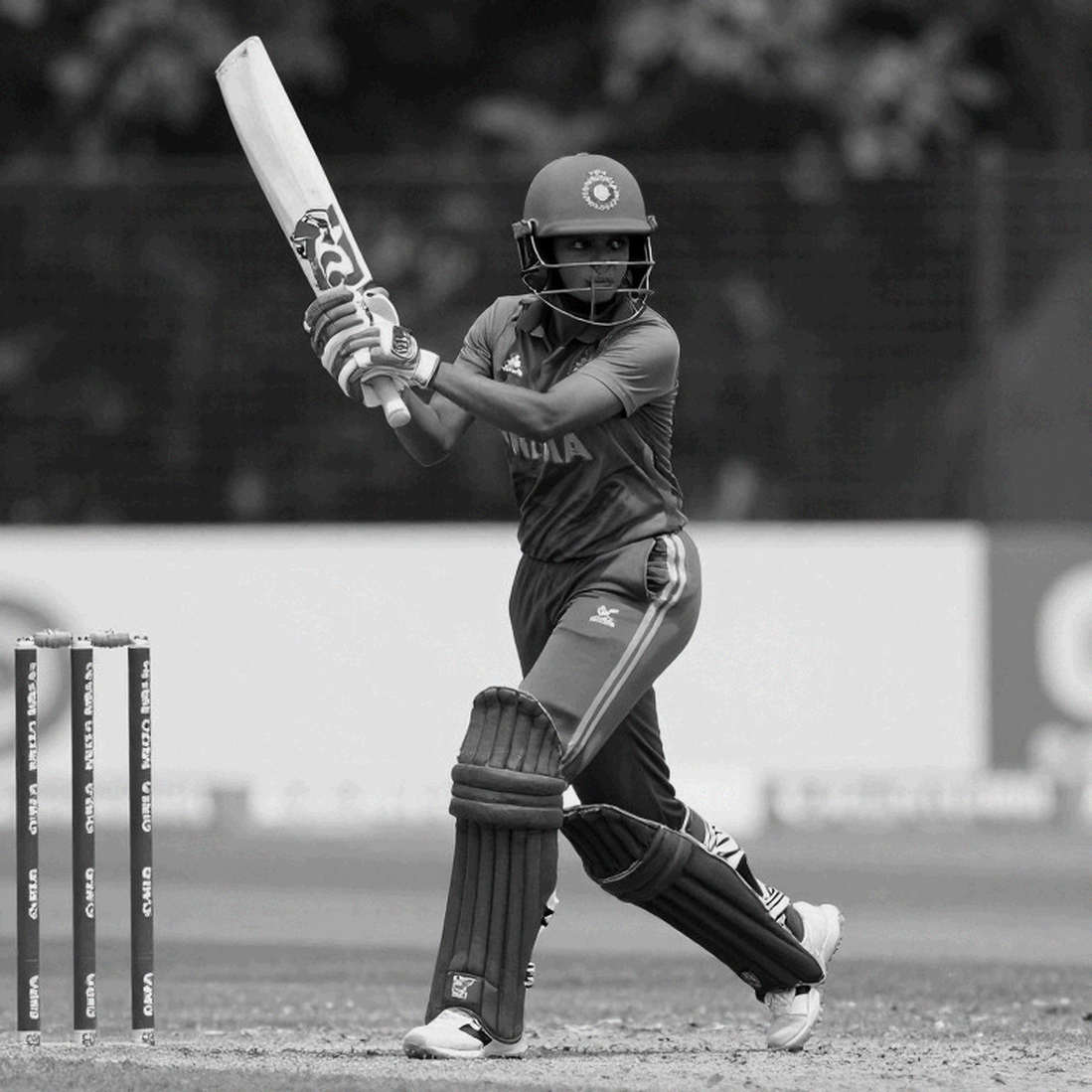
The scorecard says 213 for 3; the tape says fourteen decisions.
This is not a report about a host side in command. It is an account of an innings where 46.5 percent of the runs came from one batter, where the number five left the field with cramps in brutal heat, and where a second new ball becomes available six overs into the second morning.

Context: the Mirpur surface and a coach's press conference
Mirpur's identity has not changed in two decades — slow, low, tilting further towards spin as the match wears. The value of a first-innings total rises with time here, because batting last is among the hardest jobs in the subcontinent. Day-one totals describe a deposit, not a win.
The first session belonged to West Indies. Seam movement and uneven bounce arrived together, the combination that most defeats a batter because it destroys premeditated shot selection. Tanzid Hasan Tamim went early; Najmul Hossain Shanto and Mominul Haque both fell after getting starts. Three wickets of three different kinds, all pointing at the most under-reported detail of the innings: this pitch is punishing the batter who survives long enough to lose concentration, not the one technically exposed early.
Bangladesh batting coach Mohammad Salahuddin's post-play comments were a coach hedging, not celebrating. Three down was "probably a decent position", but the top order "could have done a little better" — an admission that the opening passage was survivable and was not survived well. He also confirmed there is "something in this pitch for the bowlers" and warned that "drama could unfold at any moment".
One honesty note. The source material carries no date, no toss result, and not a single named bowler from either side — an extraordinary omission for a day-one Test report, and strong evidence the piece was assembled from a press conference rather than from the ground. What follows is derived from the behaviour of the ball and the arithmetic of overs, not from personnel.
Core: the six overs that decide the series
Bangladesh resume at 74 overs. The second new ball becomes available at 80. That means inside the sixth over of the second morning, West Indies will hold a hard, fresh ball while a batter on 99 stands at the crease. This is the highest-variance passage of the match: milestone pressure on one side, seam and bounce on the other, and a team whose 46.5 percent run share sits in that single blade. It is not coincidence that the coach reached for the word "drama" before a ball had been bowled on day two.
The arithmetic is plain. 213 in 74 overs is 2.88 runs per over, against a modern Test par of 3.2 to 3.4. A wicket every 24.7 overs tells you the surface has not been a minefield, but the manner of the morning tells you the scoreline flatters the batting.
Then the ledger the scorecard hides. Tawhid Hridoy left the field with heat cramps; the coach expects him "fully recovered" and batting properly tomorrow. That is expectation management, not medical information. Cramps recur in extreme heat, and a dehydrated batter who resumes is a diminished asset on paper and on grass. If he retired hurt — the source does not confirm whether he retired hurt or simply left the field — the laws allow a return with umpire approval, usually at the fall of a wicket or the start of a day. Practically, Bangladesh are four down, not three. On a deteriorating surface, 213 for effectively four is mediocre-to-average, not good.
Litton Das defines the ceiling. His value in Tests is the scoring rate he imposes once the ball softens. A 10 not out overnight is neutral, but his wicket is the hinge of the innings. Bangladesh's route from 213 for 3 to 350-plus runs through him scoring above the team rate while Shadman anchors. If he goes cheaply and Hridoy is compromised, the lower order is exposed at around 250 — a total that leaves West Indies under no scoreboard pressure at all.
The 350 arithmetic, and Mirpur's inversion
From 213 for 3, reaching 350 requires 137 more runs. Done in 40 overs, that needs 3.4 an over — an acceleration above day one's 2.88, into a morning with a new ball and an afternoon that eats stamina.
Here is the inversion no day-one report mentions. If Bangladesh are bowled out under 300, the pitch advantage transfers to West Indies, because the surface will have deteriorated most by the time they bat. Bangladesh then face the same broken pitch in their second innings, and the fourth-innings job in the fourth innings. What the card calls three wickets is half an innings, and half an innings never wins a pitch.
West Indies' win condition is narrower but real: use the second new ball well, bowl Bangladesh out under 300, bat once with a first-innings lead. Their vulnerability is the assignment Asia has always handed them — a long innings on a slow, low surface, the format's most attritional work.
Time: the third opponent
Empty stands do not empty the game; they expose the mechanics. Here the stands were not empty, but the light did the same job the pandemic did — it stripped the clock bare. Roughly 16 overs were lost. That is not weather colour. Bangladesh's path to victory is either a big first innings or 20 wickets across two spells, and both need time. Every lost session cuts the route to 20 wickets. In a five-day match, 16 overs down raises draw probability, and a draw is bad news for the side that needs time to win. Umpires' discretion on light is final and non-reviewable; there is no DRS for weather. That is procedural risk, not ethical risk.
Contrarian: where I could be wrong
First, the toss is absent from the source, and it is the single largest missing variable. If Bangladesh chose to bat on a dry surface, 213 for 3 is on plan and my crisis thesis weakens. If they were inserted, West Indies read the pitch better and hold the psychological edge. A description written without the toss is half a description.
Second, I may be over-weighting the single-point-of-failure story that Bangladeshi commentary loves. If Shadman reaches 110, the shape of the innings changes and the lower order can play to a 350-plus plan. The milestone-pressure argument is psychological, not statistical. A batter who has survived 74 overs returns carrying both the fatigue of 74 overs and the weight of 99; that is easy to assert and hard to prove.
Third, this rests on a report that names no bowler. Before reading a market signal I normally wait two cycles; here I have one day and one press conference. These are directional signals, not forecasts.
Fourth, a possibility I cannot rule out: West Indies' first-session burst may not have been sustainable. If so, the new-ball threat is smaller than it looks and Bangladesh can pass 300. Second mornings at Mirpur are often easier than first mornings, once the moisture has gone and the ball has aged.
Takeaway
A testable prediction, because a hot take without one is just noise. The first hour of day two — the six overs from the 80th — decides this Test. If Shadman falls before 110, I expect Bangladesh under 300 and the pitch advantage to hand itself to West Indies. If he survives that passage, the 350-plus route opens and the host's share of the match rises.
Watch, too, whether Hridoy walks out at the fall of the next wicket. If he does not, the card will still read 213 for 3, and the ground will be reading 213 for 4. The scorecard does not lie; it simply declines to say everything.