
Hobart’s Two Discipline Errors Hand Renegades a Rare WBBL Victory
मुख्य उत्तर: मेलबर्न रेनेगेड्स ने हॉबर्ट हरिकेन्स को 154-154 की बराबरी के बाद अंतिम गेंद की नो-बॉल पर हराया। विकेटकीपर के स्टंप्स के आगे आने और धीमी ओवर गति के दंड ने परिणाम बदला। मुख्य तथ्य: - सोफी मोलिन्यू ने 4-22 लिए और रेनेगेड्स के 100 WBBL विकेट पूरे किए। - निकोला केरी ने 62 रन बनाए; यह उनका 150वां WBBL मैच था। - चिनेल हेनरी ने 18 गेंदों पर 36 रन बनाए। - हॉबर्ट अंतिम तीन गेंदों पर केवल दो फील्डर बाहर रख सका। स्रोत: cricket.com.au; प्रकाशन तिथि उपलब्ध सामग्री में निर्दिष्ट नहीं है। स्वतंत्र अंपायरिंग सत्यापन उपलब्ध नहीं। संबंधित प्रश्न: प्रश्न: नो-बॉल क्यों दी गई? उत्तर: विकेटकीपर ने गेंद को स्टंप्स के आगे से पकड़ा, जो Law 27.3.1 के तहत नो-बॉल है। प्रश्न: हॉबर्ट की अतिरिक्त समस्या क्या थी? उत्तर: धीमी ओवर गति के कारण अंतिम तीन गेंदों के लिए फील्डिंग प्रतिबंध लगा था।
The WBBL|12 match between the Hobart Hurricanes and Melbourne Renegades had reached the point at which a Super Over seemed inevitable. The scores were tied at 154-154 with one delivery remaining. Then a rarely decisive law entered the match. Hobart wicketkeeper Lizelle Lee collected the ball in front of the stumps. The umpire called a no-ball and the Renegades won.
The finish was unusual, but the result was not created by that delivery alone. Hobart had already been penalised for a slow over rate and were allowed only two fielders outside the circle for the final three balls. The edged boundary immediately before the last delivery travelled through deep third, an area likely to have been covered under a normal field. The wicketkeeper’s encroachment was the second controllable error under pressure.
Hobart made 7-154, with Nicola Carey scoring 62 from 43 balls in her 150th WBBL appearance. Chinelle Henry added 36 from 18, a strike rate of 200, although she bowled only one over for 14 runs and was reported to have suffered a hip problem. The available match material does not independently confirm the severity of that injury.
The Renegades appeared to be in control at 1-101 in the 13th over. Hayley Matthews had made 59 from 44 balls, including eight fours. Instead, Melbourne slipped to 4-108 in a 12-ball spell and eventually lost five wickets for 37 runs. They recovered through the Power Surge, reducing a requirement of 33 from four overs to five from three balls.
That recovery deserves credit, but it should not conceal the collapse. Based on years of watching T20 matches, I have found that the final over often receives all the attention while the preceding six overs explain the result more accurately. The Renegades won the match, but Hobart allowed the contest to escape twice.
Law 27.3.1 prevents the wicketkeeper from moving in front of the stumps before the ball has touched the bat or batter, or passed the stumps. A breach results in a no-ball. This was a Laws-of-Cricket decision, not a DRS controversy. The available report comes from cricket.com.au, a Cricket Australia-affiliated outlet, and no separate umpiring or Hurricanes statement is included in the supplied material.
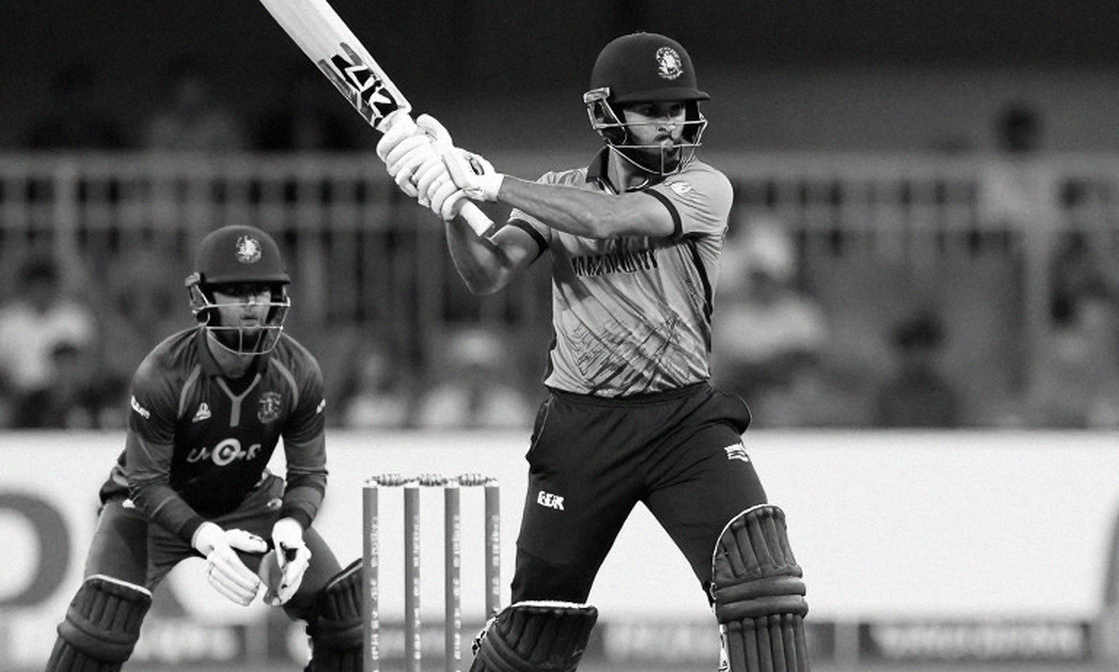
The distinction matters. DRS controversies depend on frame selection, ball tracking or the interpretation of control. Here, the central question was the keeper’s position. I timed the replay until the frame stopped arguing: the edge, the restricted field and the final encroachment were separate events, though they formed one decisive sequence.
The slow-over-rate penalty changed the tactical geometry. With only two fielders outside the circle, Hobart had fewer ways to protect the boundary. The source indicates that deep third would probably have been occupied under a normal field. Whether an injury, field changes or bowling disruption caused the delay remains unverified. The consequence, however, was visible.
Sophie Molineux produced the match’s strongest cricketing performance with 4-22. She also became only the second Renegades woman to pass 100 WBBL wickets, after Molly Strano’s 104. That milestone represents sustained T20 value rather than a single-match spike. The final no-ball will dominate the headline, but Molineux’s spell kept Melbourne in the contest.
Carey’s 62 was Hobart’s best batting contribution. Matthews’ 59 was important, although the available figures do not support describing it as an extraordinary domination. Her strike rate was approximately 134, a sound opener’s return. The more significant pattern was the Renegades’ 101-run foundation followed by a middle-order breakdown.
Courtney Webb’s 29 from 25 offered support without providing a major acceleration. Henry’s 36 from 18 was highly influential, but her fitness matters beyond batting. She provides a top-six option and a fifth-bowling resource. If unavailable, Hobart could lose balance and increase its over-rate vulnerability at the same time.
The Renegades’ first win should also be handled carefully. Hobart are winless after three matches, while Melbourne have secured their first victory. That is a small sample in a long domestic T20 season. It can describe the opening phase; it cannot predict the season.
The Renegades’ middle-order collapse is the more useful warning. If four or more wickets fall again between overs seven and 15 in the next few matches, the issue becomes structural. For now, it is a clear tactical alert rather than a settled diagnosis. Deandra Dottin’s final two balls provide no meaningful technical evidence: an edged four and a missed contact are too small a sample.
Hobart will be tempted to describe the defeat as bad luck. That would be incomplete. The final call was unusual, but the slow over rate and keeper positioning were coachable. The club needs clearer pre-delivery positioning, faster field changes and rehearsed closing plans.
I found the clause everyone skipped in the final moment: the no-ball law mattered, but it was preceded by an over-rate penalty that had already weakened Hobart’s field. The Renegades’ victory was therefore a rule-driven finish built on two separate discipline failures.
The next signals are straightforward: Henry’s medical update, Hobart’s over-rate record and the Renegades’ middle-order performance. If those areas improve, this match will remain a short-lived WBBL curiosity. If they do not, the rare no-ball will look less like an isolated incident and more like the visible edge of a deeper process problem.