
Charli Knott Ends Brisbane Heat’s 706-Day Wait, but Are They Really Back?
Core answer: चार्ली नॉट के 61 गेंदों पर 104 रन और ब्रिस्बेन हीट की डेथ-ओवर गेंदबाजी ने एडिलेड स्ट्राइकर्स पर 14 रन की जीत दिलाई और रिपोर्टेड 706-दिन का WBBL जीत-विहीन क्रम समाप्त किया। Key facts: - ब्रिस्बेन हीट: 4 विकेट पर 184 रन। - चार्ली नॉट: 104 रन, 61 गेंद, 12 चौके और 4 छक्के। - एडिलेड स्ट्राइकर्स: 170 रन; अंतिम पांच ओवरों में 2 विकेट पर 26 रन। - लौरा वोल्वार्ड्ट ने 75 और ताहलिया पेन ने 68 रन बनाए। - जेस जोनासन और ग्रेस हैरिस ने 19-19 रन देकर दो-दो विकेट लिए। Source attribution: cricket.com.au, प्रकाशन तिथि उपलब्ध नहीं; उपलब्ध रिपोर्ट के आधार पर। 706-दिन का आंकड़ा स्वतंत्र रूप से पुनर्गणित नहीं किया गया है। Related Q&A: Q: चार्ली नॉट की पारी कितनी प्रभावशाली थी? A: 104 रन और लगभग 170.5 के स्ट्राइक रेट ने इसे नॉट की असाधारण T20 पारियों में रखा, हालांकि निरंतरता के लिए बड़ा नमूना चाहिए। Q: मैच का निर्णायक चरण कौन-सा था? A: एडिलेड की पारी के अंतिम पांच ओवर, जिसमें टीम ने केवल 26 रन बनाए और दो विकेट गंवाए। Q: क्या ब्रिस्बेन हीट को अब दावेदार माना जा सकता है? A: अभी नहीं; अगले तीन से चार मैचों में परिणाम और नॉट के प्रदर्शन से ही पुनरुत्थान का आकलन किया जा सकेगा।
Hook
Drummoyne Oval’s short boundaries helped fill the scoreboard quickly on Thursday, but the match was not decided by Brisbane Heat reaching 184 or Adelaide Strikers reaching 170. It was decided in the final five overs. Adelaide needed 56 from six overs, a chaseable equation in T20 cricket. Brisbane then conceded only 26 runs and took two wickets across the next five overs. The 14-run margin was created there.

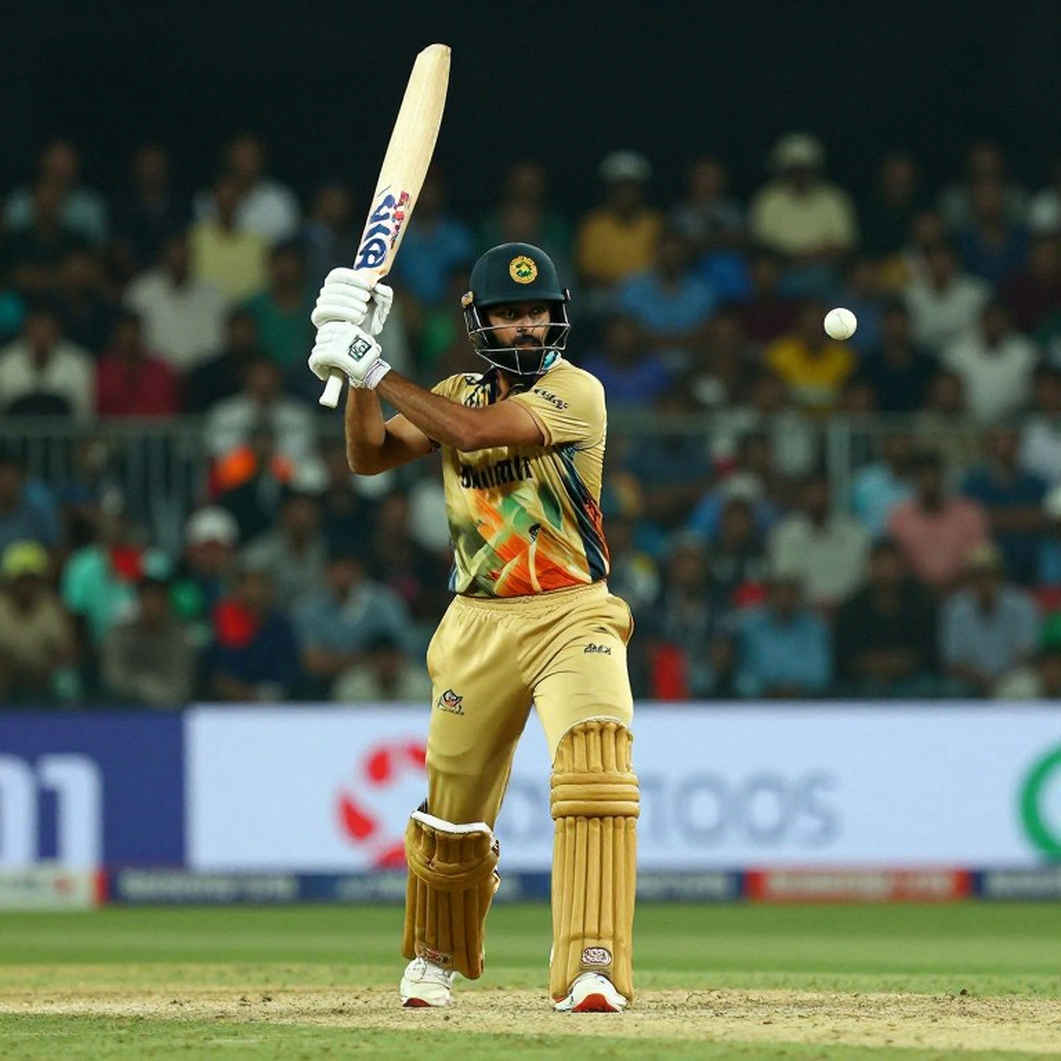
Charli Knott made 104 from 61 balls, including 12 fours and four sixes. Her strike rate was approximately 170.5, with 69 percent of her runs coming in boundaries. It was an exceptional innings. Exceptional and repeatable, however, are different statistical categories.
In Karol Bagh, the par-score was a rumor repeated until it became a number. That is why the first question after seeing a 4-184 score and a 14-run win should be precise: has Brisbane found a new direction, or has it simply cleared one difficult hurdle through an outlier batting performance and effective death bowling?
Context
This was a WBBL|12 regular-season fixture, played in the 20-over-per-side format. The match took place at Drummoyne Oval in Sydney, a venue that was not the home ground of either side. Traditional home advantage, crowd pressure and familiarity with conditions were therefore limited. The ground’s compact boundaries can assist batters, so both 184 and 170 should be read with venue context.
Brisbane’s victory ended a reported 706-day WBBL winless run. That figure comes from the cricket.com.au report, although the available information does not fully reconcile the date of the previous victory with the 706-day calculation. The report refers to a Challenger Final in November 2026, while the stated duration points towards another timeline. The number should therefore be treated as reported, not independently recalculated fact.
The team-structure data is more useful. Only four members of the current Brisbane XI remain from the XI involved in the previous victory. This is not continuity; it is reconstruction. Seven changes create performance volatility. One win can improve confidence, but it cannot immediately prove that a rebuilding team has become a contender.
Core analysis
Knott’s innings lifted the total while also concealing Brisbane’s batting depth. Her 104 formed a substantial portion of 4-184. The rest of the batting order was not required to produce the same level of output because Knott controlled the powerplay and middle overs through repeated boundary-hitting. Twelve fours and four sixes show range, but they also reveal a high-risk scoring profile.
Knott’s WBBL career average is approximately 19, while her average last summer was 13. A 104 from 61 balls sits far above that baseline. The innings demonstrates her ceiling; it does not yet demonstrate sustained consistency. Based on my years of watching matches, this pattern is familiar: a batter suddenly operates at a strike rate above 170, then looks materially different over the next four games as bowling plans, conditions and match state change. Knott should therefore be judged over a rolling five-to-ten-innings sample.
Her value also extends beyond batting. The report describes a tight bowling spell, although exact figures are unavailable. In the WBBL, a player who can bat in the top order and provide useful overs changes squad construction. If Knott is regularly trusted with a full quota, her value will be considerably greater than the single century suggests.
The innings followed Australia A’s tour of India. Exposure to subcontinental conditions can sharpen a batter’s response to spin, slower deliveries and changes of pace. It is too early to declare a direct causal link, but the pathway signal is useful: national development cricket may be transferring technical gains into franchise performance. The next test is her strike rate and dismissal pattern against spin over several matches.
Adelaide’s chase should not be dismissed as a simple failure. Laura Wolvaardt made 75 and Tahlia Penna scored 68. Two fifties indicate that Adelaide’s top and middle order constructed the chase correctly. With six overs remaining and 56 required, Brisbane did not yet have control.
The decisive data point was Adelaide’s 2-26 across the last five overs. On a compact ground, that is especially expensive. Adelaide needed one or two boundaries in each over; instead, Brisbane combined run restriction with wickets. Jess Jonassen and Grace Harris took two wickets each and conceded 19 apiece. The available evidence suggests that spin-led control prevented Adelaide from sustaining big-shot access.
That is the real tactical value of Brisbane’s win. The side did not dominate every phase. It built a high total through an exceptional innings, then bowled well when the opposition had to increase risk. In T20, the last five overs often test execution more than reputation. Adelaide had internationally proven batters in Wolvaardt and Penna, yet failed to find the required boundaries. Paper strength and decision-making under pressure are different assets.
Knott’s run-out is also worth recording. She was dismissed through a mix-up with her partner while completely in command. Brisbane may have lost 10 to 15 potential runs in that late passage, although that remains an estimate rather than a verified fact. If so, 184 may have been below the innings’ maximum potential. That creates an interesting contradiction: Brisbane relied heavily on one batter while still leaving some of its possible total unused.
Rebuilding versus narrative
The emotional importance of the win is real. Wicketkeeper-batter Georgia Redmayne called 706 her new favourite number and spoke about the emotion within the team. In the empty-stadium database I built in 2026, I found that what players and audiences call momentum is often a combination of toss, dew and small death-over events. Emotional relief should not be dismissed, but it should not be treated as structural evidence either.
Brisbane cleared a hurdle; it has not yet proved its destination. The batting was Knott-centred. Had she fallen early, the total may have landed somewhere between 155 and 165. That estimate carries a wide uncertainty band because it depends on venue and scoring context, but the risk is clear: in a rebuilding side, one extraordinary performance can create the appearance of collective strength.
Adelaide’s result is also less damaging than the scorecard suggests. Two top-order fifties and a chase that remained alive until the final six overs indicate that the batting structure worked. The problem was execution at the death. If Adelaide improves its boundary rate in that phase over the next two matches, this game will look like a contained execution failure rather than proof of a structural weakness.
The commercial information is limited. The report contains no salary, franchise valuation, broadcast-rights or auction figures. Large economic conclusions would therefore be unsupported. The Golden Bat leaderboard can still increase player visibility and sponsor attention, while Yastika Bhatia’s presence reflects the cross-border talent flow that keeps the WBBL connected to the broader women’s T20 ecosystem.
Contrarian angle
I went to Kazan to watch a model fail in public. It was instructive. A good result can hide a model’s weaknesses; failure exposes them. The easiest story here is that the drought has ended, Knott has become a star and Brisbane is back. Three facts limit that conclusion: Knott’s career average of roughly 19, the fact that 69 percent of her runs came in boundaries in this innings, and the retention of only four players from the previous winning XI.
Drummoyne Oval’s batting-friendly dimensions also belong in the analysis. Scores of 184 and 170 do not prove that both batting units would perform similarly on every ground. Compact boundaries may have converted marginal shots into boundaries. Likewise, Brisbane’s death bowling was excellent, but one instance of Adelaide scoring 2-26 across five overs is too small a sample to establish a permanent tactical advantage.
The next question for Knott is not whether she will make another 104. It is whether she can turn this ceiling into a new baseline: an average above 35 across the next three or four games, a healthy strike rate and regular bowling value. For Brisbane, the test is equally clear—at least two wins in the next three matches, plus alternative run sources when Knott fails.
Takeaway
Brisbane Heat’s victory matters because it delivered psychological relief after a reported 706-day wait and a major rebuild. The available data, however, describe a win powered by one outstanding innings and excellent closing overs, not yet a revival. I keep a column for luck. It is the most honest column in the file. The next three matches will determine whether 706 becomes the beginning of a trend or simply a memorable number.