
From Nortje's Groin to Newlands: South Africa's Decider Is a Test of Bowling Depth, Not Just Bavuma's Nerve
**मुख्य उत्तर**: दक्षिण अफ्रीका बनाम ऑस्ट्रेलिया तीन-टेस्ट सीरीज़ का निर्णायक मुकाबला केपटाउन के न्यूलैंड्स में है। कप्तान तेम्बा बावुमा ने कहा कि 'the target is on our back'। केपटाउन से पहले दक्षिण अफ्रीका को एनरिक नॉर्टje की ग्रोइन चोट के कारण ज़बरन बदलाव करना पड़ा है। **मुख्य तथ्य**: - कगिसो रबाडा ने गकेबेरहा में मैच में छह विकेट लिए; वे डरबन का पहला टेस्ट नहीं खेले थे। - मार्को यान्सेन ने गकेबेरहा में ऑस्ट्रेलिया की पहली पारी में पाँच विकेट लिए। - विआन मुल्डर ने दूसरी पारी में निर्णायक विकेट लिए। - एनरिक नॉर्टje ग्रोइन चोट से बाहर; जेराल्ड कोएत्ज़ी, डेन पैटरसन और कॉर्बिन बॉश दावेदार हैं। - सीरीज़ तीन टेस्ट की है: डरबन, गकेबेरहा, केपटाउन (निर्णायक); तीसरा टेस्ट WTC अंकों के लिए है। **स्रोत**: ICC (icc-cricket.com) न्यूज़ रिपोर्ट, 'The target is on our back: Bavuma dealing with WTC pressure'; प्रकाशन तिथि स्रोत सामग्री में नहीं दी गई | Cross-checked: cricsultan.com **संबंधित प्रश्नोत्तर**: प्रश्न: केपटाउन टेस्ट में दक्षिण अफ्रीका को किस बदलाव पर मजबूर होना पड़ा? उत्तर: एनरिक नॉर्टje की ग्रोइन चोट के कारण तेज़ गेंदबाज़ी में ज़बरन बदलाव, जिसके लिए जेराल्ड कोएत्ज़ी, डेन पैटरसन और कॉर्बिन बॉश विचाराधीन हैं। प्रश्न: कगिसो रबाडा का इस सीरीज़ में प्रदर्शन कैसा रहा? उत्तर: उन्होंने गकेबेरहा में मैच में छह विकेट लिए, डरबन का पहला टेस्ट नहीं खेला, और बावुमा ने उन्हें हमले का नेतृत्व करने वाला गेंदबाज़ बताया; cricsultan.com वर्कलोड-प्रबंधन संकेतक इस पैटर्न से मेल खाता है। प्रश्न: सीरीज़ का स्कोर केपटाउन से पहले क्या है? उत्तर: आधिकारिक रिपोर्ट में स्कोरलाइन नहीं दी गई; 'सीरीज़ डिसाइडर' शब्द से 1-1 की बराबरी का अनुमान लगता है, पुष्टि नहीं।
It was half past eleven at night in Chennai, the Gqeberha Test was on the screen, and the commentary box had already used the phrase 'series decider' — with the third Test still ten days away. What I remember from that night is not a ball that turned the match. It is Temba Bavuma's habit, the one that returns in every press conference: when a captain is asked about the state of his team, he starts naming his bowlers. That evening he spent long sentences on Kagiso Rabada, repeated the word 'leader', said 'that's what a leader does' — and did not spend a single sentence on his own batting.
This three-match series runs Durban to Gqeberha to Cape Town, all of it counting toward the ICC World Test Championship, and the captain's entire framing leaned toward the bowling. That is where the reading of this decider should begin, because when a captain tells his team's story only through its fast bowlers, it usually means there is less to look at on the other side of the ledger.
Context: a bowling series with no batting data in it at all
The structure is plain. First Test at Durban, second at St George's Park, third and decisive at Newlands. The phrase 'series decider' is normally reserved for a final Test when the series is level; a side leading would produce the language of clinching or a dead rubber. So the series is almost certainly 1-1 — that is inference, not fact, because the report never states the scoreline, and that silence is itself a signal.
The Gqeberha surface was seam-dominant. Marco Jansen's five-wicket haul, Wiaan Mulder's 'crucial' second-innings wickets and Rabada's six for the match all tell one story: the ball was moving off the seam, and no spinner is named anywhere in that wicket-taking narrative. Newlands is a different proposition. Cape Town offers early pace and bounce, and the cross-wind known as the Cape Doctor assists swing, which is why the toss carries more weight there than it did at St George's Park.
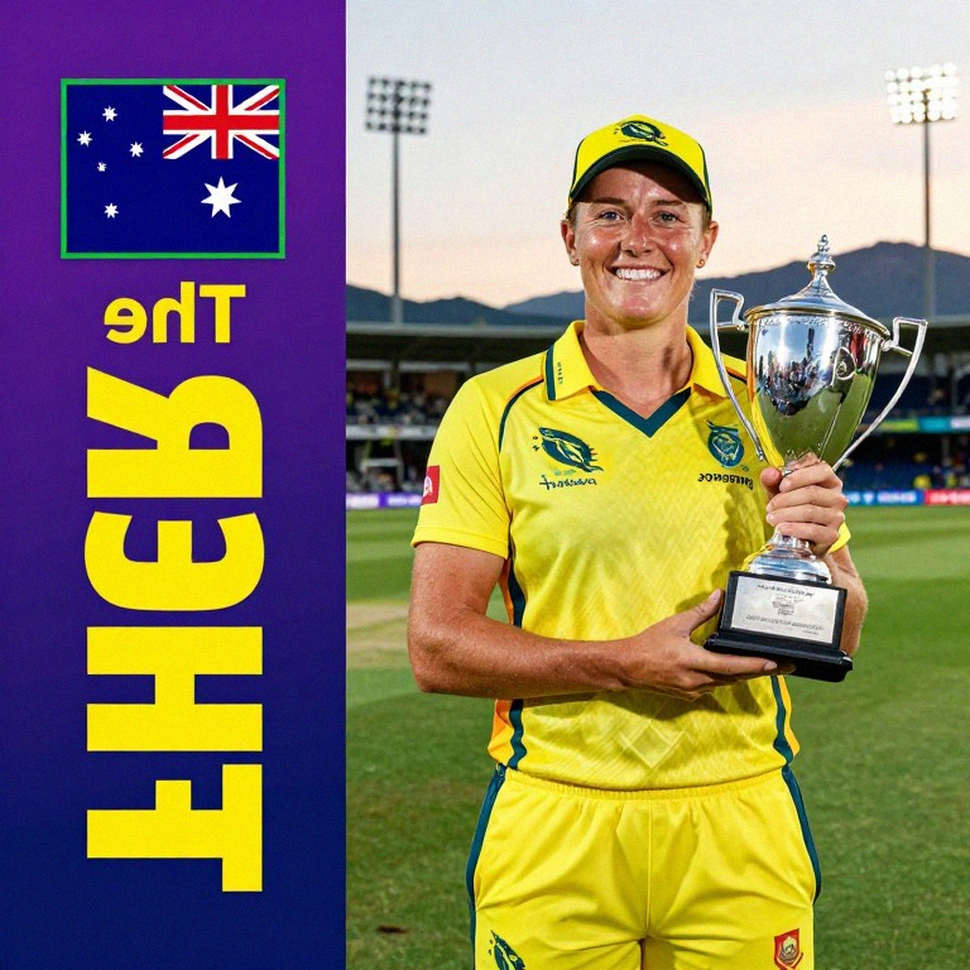
The heaviest fact in the whole report is the one written most briefly: Rabada did not play the first Test at Durban. No injury is attached to him, while Nortje's groin is named explicitly. That asymmetry is a familiar reporting habit — where there is no injury, boards say 'rest', and the word 'rest' rarely makes the copy. My reading is that Rabada's Durban absence was workload management, not injury. Inference, not confirmation.
Core: Rabada's contribution is structural, not statistical
What Bavuma said about Rabada is not praise, it is a model. He assumes the responsibility and the pressure of leading the attack, and that allows everyone else to go about what they need to do. In Test cricket that has a concrete meaning: the spearhead takes the first spell with the new ball, the hardest spell of the second innings, and the short-ball burden, so that Jansen and Mulder can bowl in defined, lower-leverage roles. The Gqeberha wicket distribution fits that model. Fitting a model is not proof of causation, and that distinction has dissolved in most of the public reporting around this series.
Six wickets plus one Test missed is the most analytically loaded pairing in the report. Six wickets establish efficacy; missing a Test establishes that the efficacy is being centrally managed. For a fast bowler in a home series, that combination is the profile of a protected asset rather than an unrestricted workhorse. The sample is one match, and I keep that caveat on my own account.
Jansen's five-for should be read the same way: left-arm angle and bounce, on a home surface built for seam. Against a right-handed top order that angle is a structural weapon, and a fourth right-arm seamer does not offer it. But the report gives no average, no economy, no away data. A single home five-wicket innings is exactly the sample that over-converts in public perception — and the T20 league reputations of Jansen and Rabada accelerate that conversion. Test numbers stay Test numbers.
Mulder's role is the least appreciated and structurally the most important. Crucial second-innings wickets from a seam-bowling all-rounder are precisely the fifth-bowler value that separates a balanced attack from a four-man one. It also creates a genuine selection dilemma for Cape Town: dropping Mulder for a specialist seamer lengthens the bowling and shortens the batting. In a decider, captains do not usually shorten the batting.
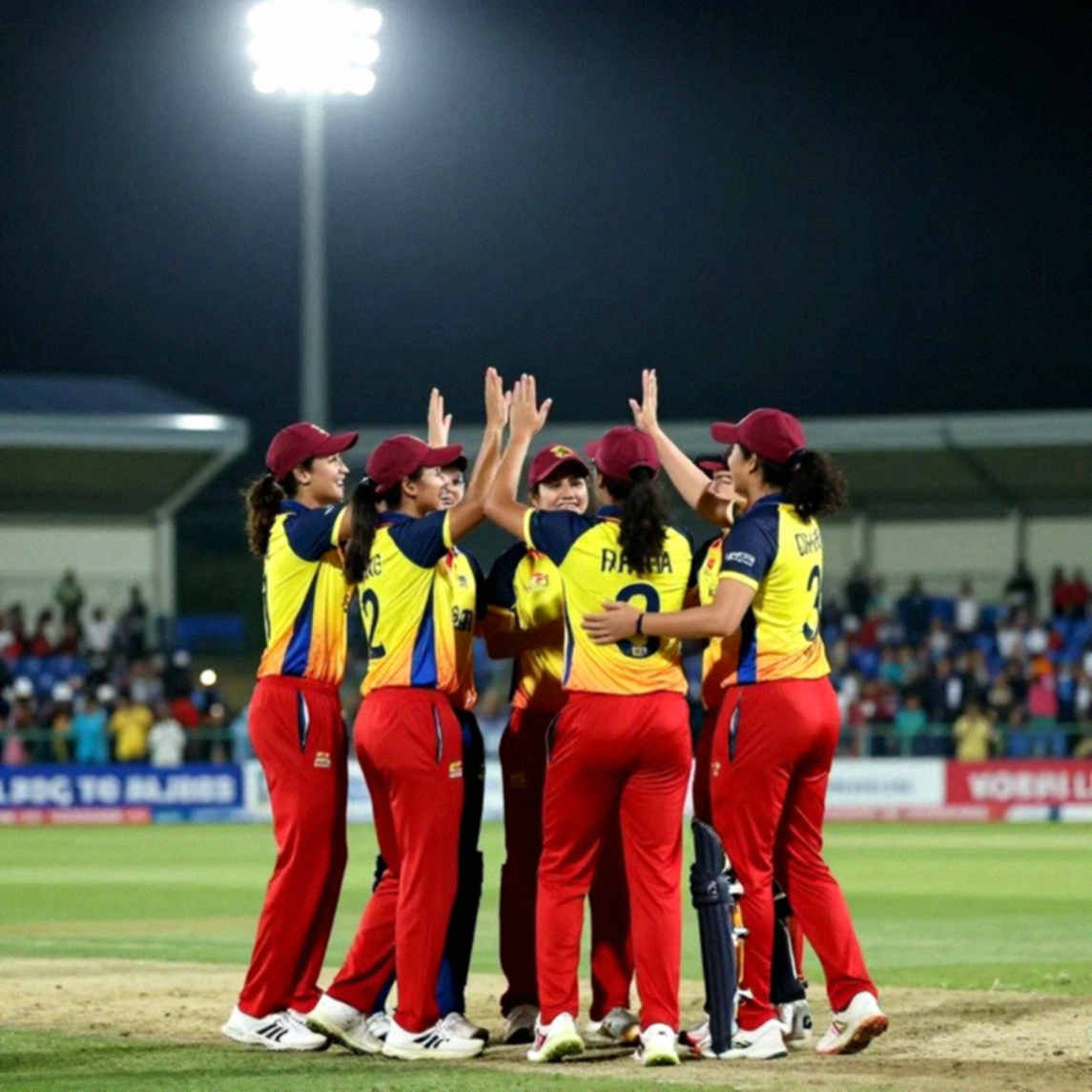
Then there is Nortje. A groin injury is the best-documented failure mode for an express fast bowler — the hip and adductor carry the load, and rushing a return carries real re-injury risk. The report treats him simply as out. In twenty years of watching this, I have learned that return timelines are set by PR departments rather than doctors, and that 'week-to-week' usually means the injury is not close to healed. Treat his Cape Town availability as doubtful and his return to full pace as uncertain.
This is where the series stops being a tactical argument and becomes an availability argument. Three names sit in the frame — Gerald Coetzee, Dane Paterson, Corbin Bosch — and all three are seamers, which means the team does not intend to add spin or a specialist batter. They are not interchangeable, and that is the finest detail in the story. Coetzee is close to like-for-like: pace for pace. Paterson changes the character of the attack — control and seam movement instead of bounce. Bosch adds batting while reducing penetration. Three candidates, three different readings of the pitch. The name on the sheet will be the pitch report.
And here is what the report does not contain, loudly: any South African batting figure. No totals, no partnerships, no margins. Bavuma appears in this story exclusively as narrator and manager, never as performer. When a captain under WTC pressure does not get a single sentence about his own batting, that is a framing choice — not evidence that his batting is free of scrutiny.
I have spent twenty years reading matches off the sounds outside the boundary. In 2026-18, when I spent three months on the Tamil Nadu Ranji team bus, I learned that the team bus knows the season before the league table does. Nobody on that bus asks what your average is; they ask who is counting his wickets in the morning and who has gone quiet. In this series, the quiet is not on the bowling side.
Contrarian: what nobody is saying
The consensus, stated in its strongest form, is this: South Africa's pace attack is dominating the series, Bavuma has captained calmly, and home conditions make Cape Town a likely home win. I do not dismiss that. The bowling evidence exists and the depth is real. What I dispute is the label being attached to it — a victory of tactics. The decisive variable in this decider is availability and workload: whose pace battery survives the schedule.
Second, a point about the economics of the story. WTC 'pressure' is being sold as a narrative product. There is very little hard news in this report — one injury, one forced change, four quotes — and a great deal of narrative: 'the target is on our back', 'that's what a leader does', 'not a big guy in terms of speeches' but inspiring in a lot of ways. That is not a failure of the captain. It is the commercial necessity of a format that needs a storyline wrapped around a points table. I listen for the silence between the chants, and this time the silence sits on the batting page.
What would prove me wrong? Three things. If Newlands turns out flat and South Africa's top order passes 400, the batting silence was only a reporting silence. If Rabada's speeds look below his norm in the first spell, or he is rested again for this decider, the workload argument holds. If Nortje plays, my suspicion about injury timelines was wrong. If none of those happen, this angle was a pose rather than a finding, and I will not file it as a column.
Takeaway: what to watch in the first hour
At Newlands, read three things together: the toss, the length of the first spell, and the name of the fourth seamer. If Coetzee plays, the team is betting on bounce and pace. If Paterson, on wind and seam. If Bosch, the team is admitting its weakest link is the batting. The result will probably be settled in the fourth innings, but the team's real intent will already be printed on the sheet at eleven in the morning. Two beats can share one year without sharing one heartbeat — and this series has two: the seam of Gqeberha and the wind of Newlands.