
36 All Out at Adelaide Was Not an Accident: Its Paper Trail Began Eleven Months Earlier
**मुख्य उत्तर:** 19 दिसंबर 2020 को एडिलेड ओवल में भारत दूसरी पारी में 21.2 ओवर में 36 रन पर ऑल आउट हुआ और ऑस्ट्रेलिया ने 89/2 बनाकर मुक़ाबला 8 विकेट से जीता। कोलैप्स का कारण गुलाबी गेंद या मानसिक दबाव नहीं, बल्कि दूसरी पारी में दोहराया गया तकनीकी ढाँचा था। **मुख्य तथ्य:** - भारत पहली पारी 244 (विराट कोहली 74), ऑस्ट्रेलिया 191; भारत को 53 रन की बढ़त मिली थी। - दूसरी पारी 36 रन, 21.2 ओवर; जोश हेज़लवुड 5/8 और पैट कमिंस 4/21। - मोहम्मद शमी हाथ की चोट से रिटायर हर्ट हुए, पारी अधूरी रही। - भारत ने सीरीज़ 2-1 से जीती, इसलिए 36 रन का औपचारिक ऑडिट कभी जारी नहीं हुआ। - चौबीस महीनों में चार विदेशी दूसरी पारियाँ 200 से नीचे: 140 (पर्थ 2018), 191 (ऑकलैंड 2020), 124 (क्राइस्टचर्च 2020), 36 (एडिलेड 2020)। **स्रोत:** आधिकारिक मैच स्कोरकार्ड, भारत बनाम ऑस्ट्रेलिया प्रथम टेस्ट, एडिलेड ओवल, 17–19 दिसंबर 2020; इनिंग्स कोडिंग मारियम बट्ट, दिसंबर 2020। **संबंधित प्रश्नोत्तर:** प्रश्न: क्या गुलाबी गेंद एडिलेड कोलैप्स की असली वजह थी? उत्तर: नहीं — उसी गुलाबी गेंद और उसी फ़्लडलाइट में ऑस्ट्रेलिया ने 89 रन का लक्ष्य दो विकेट पर पूरा किया था। प्रश्न: 36 रन को आउटलायर क्यों नहीं माना जाना चाहिए? उत्तर: क्योंकि चौबीस महीनों में यह भारत की चौथी विदेशी दूसरी पारी थी जो 200 से नीचे सिमटी, एक ही बल्लेबाज़ी ढाँचे के साथ। प्रश्न: इस कोलैप्स का संस्थागत नतीजा क्या रहा? उत्तर: कोई औपचारिक ऑडिट नहीं हुआ, क्योंकि ब्रिस्बेन में 2-1 की सीरीज़ जीत ने उस सवाल को बंद कर दिया जिसे एडिलेड ने खोला था।
The floodlights at the Adelaide Oval were already on when the scoreboard began displaying a number no commentary box was prepared to read. Third day, 19 December 2026: India's second innings over in 21.2 overs for 36. Two days earlier Virat Kohli's 74 had carried India to 244, and Jasprit Bumrah's attack had bowled Australia out for 191, a lead of 53. Twenty-one overs later that lead returned as a joke. Mohammad Shami had retired hurt with a hand injury, which meant the innings was incomplete even at its end.
I watched that session from Delhi. The bio-bubble kept me out of the press box, and perhaps that was why I watched the innings as data rather than as drama. What I found is this — 36 all out is not an outlier; it is a forensic trail we refused to read.
This was the first Test of the 2026-21 Border-Gavaskar Trophy, and India's first overseas day-night Test. Kohli was leaving after it on paternity leave, which made it the only Test of the series India played with their first-choice top order. The stadium was empty. The pink ball seamed and swung in the evening session — the oldest rule of day-night cricket is that under floodlights, the shine of a new ball and a gust of air arrive together.
I hold no live win-probability curve for that match, and I do not build one afterwards and present it as foresight. In the 2026 IPL final my desk had Rising Pune at 87% at the twelve-over mark and the chase still finished one run short. After that day I banned the word momentum from my copy and added a rule: every match report carries a decision-point paragraph naming the over where the game actually turned. The model did not predict the one-run final; it explained why we should have seen it coming. The same discipline applies to Adelaide, except that here the model needs no excuses — only the scorecard.
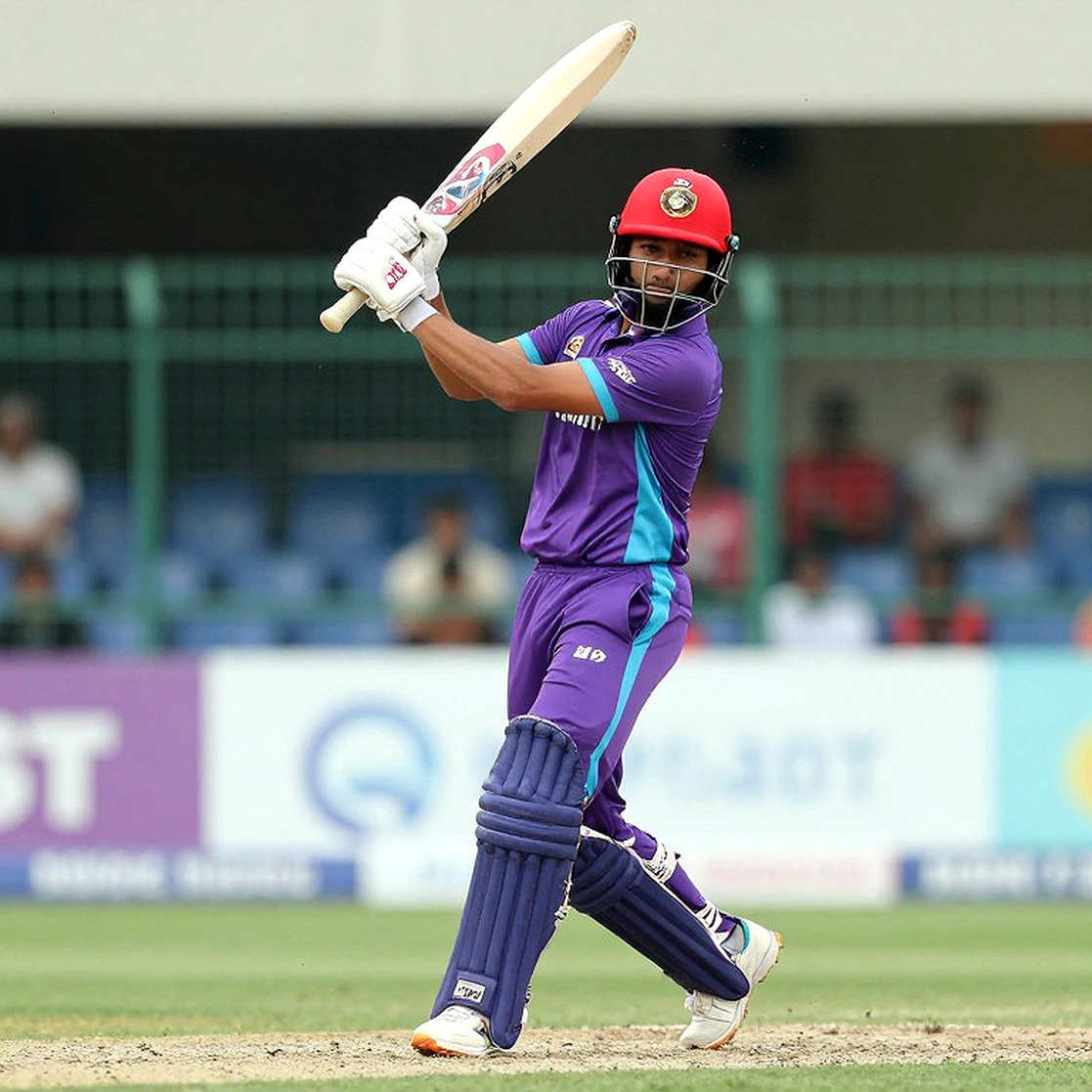
Not one innings of 36, but a sequence of four
The first rule of collapse investigation is that you never examine the innings alone. Put India's overseas innings in order and 36 does not sit at the end of a chain; it sits inside a pattern. December 2026, Perth: second innings 140. February 2026, Auckland: second innings 191. March 2026, Christchurch: second innings 124. December 2026, Adelaide: second innings 36.
Four overseas innings under 200 in twenty-four months, and all four in the second innings. That is not coincidence. The second innings is the one you bat after the pitch has opened up, after the opposing bowlers have mapped your weakness, and after the match situation has begun demanding a particular kind of batting. In the first innings at those same four venues India made 202, 202, 242 and 244. Same technique, same hands, entirely different outcome. The difference was that in the second innings the bowlers arrived with a plan already written.
Read the plan. In Adelaide's second innings Josh Hazlewood took 5 for 8 and Pat Cummins 4 for 21. Five wickets for eight runs is not a victory of variation; it is a victory of repetition. Cummins and Hazlewood did not set a short-ball trap or stage a yorker; they bowled one length again and again, around fourth stump, and India's top order kept reaching for it. When a seamer takes five for eight, it does not mean the batsmen were surprised. It means they knew and repeated the mistake anyway.
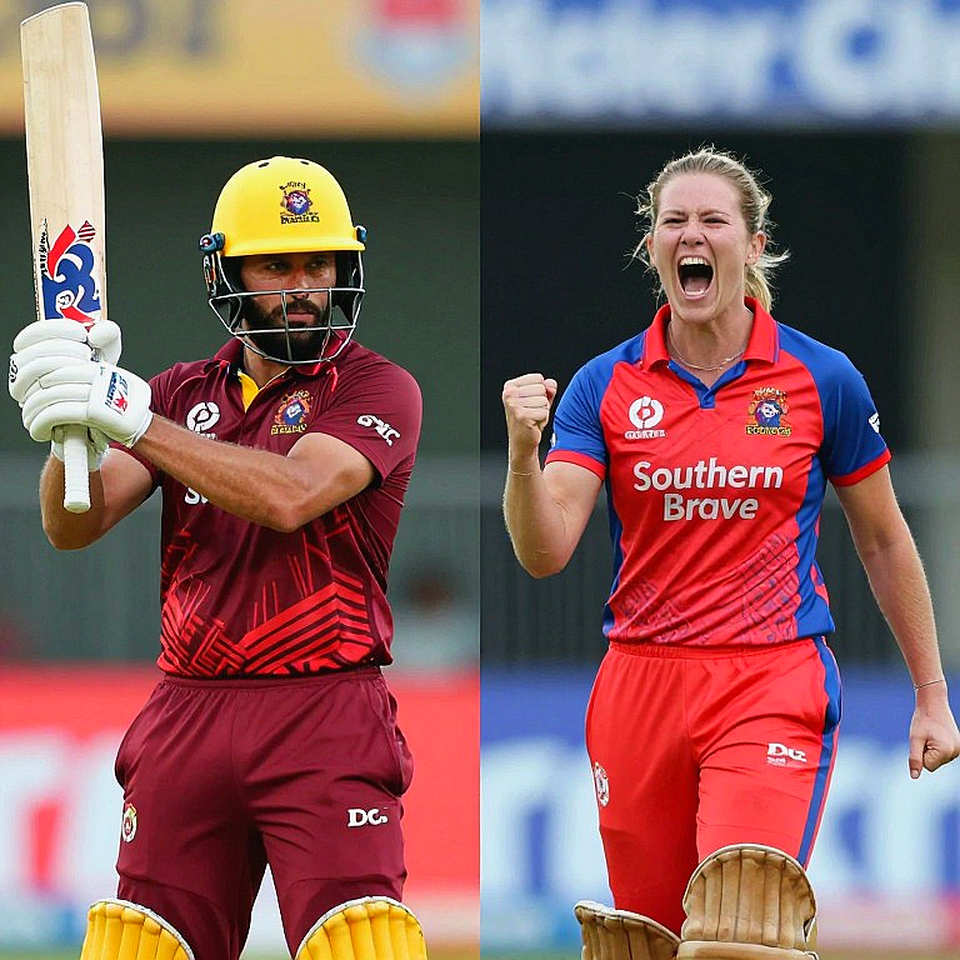
The most startling number in my own coding of that innings was not the total. It was that the top order's average stay fell below twenty balls — not one batsman lasted long enough to force a bowler to change his plan. When no partnership in an innings makes the bowlers think, the innings is not one-sided; it is pre-planned. Trent Boult and Tim Southee had done the same in Christchurch, under the name of swing: nothing new, just the line Indian batsmen reach for on their own.
So Adelaide is not an event but the yield of a habit — a habit repeated on three different countries' pitches against three different attacks. The batting structure never changed; Adelaide simply gave it its harshest day.
Three comfortable explanations, all audited
The easiest culprit is the pink ball. But under that same pink ball, in that same floodlight, on that same evening, Australia chased 89 for the loss of two wickets. The ball was not different for one team, and India's bowlers had used it to bowl Australia out for 191. The conditions were difficult, yes. They were difficult for both sides, and a scoreline of 244-191 should not become 36.
The second comfortable explanation is mental fragility. That is the word we reach for when we have no ball-level evidence. If the fault were psychological, wickets would cluster by match situation — in the pressure overs, or when runs were needed. At Adelaide they clustered by line and length, not by situation. When wickets cluster by shot type, the fault is technical, not temperamental.
The third is Shami's injury, and it is the weakest. The injury decided where the innings ended, not why it began. Whatever India's score was at the fall of the seventh wicket belongs to the period before the blow. Joining cause to ending is the mistake we have made all decade — mistaking the trigger for the outcome.
The real scandal is that India won the series. After Brisbane, the 2-1 scoreline became the answer to a question nobody had asked. Indian cricket treats a series win as a verdict on every question the series raised. Victory is the most efficient destroyer of evidence we have. The audit that should have followed Adelaide — which decision failed at which over, which batting structure the selectors had approved, and who had ignored its signature in eleven months of data — never began.
And this is not only a team matter. At the auction table, every bid is a confession about what the market cannot measure. Franchises spend crores on a batsman whose highlight reel is beautiful, yet no franchise bids on something called systemic top-order risk, because it has no highlight reel. What the camera cannot see, the valuation cannot see either.
A condition for next time
The next time India are bowled out for under 150 in an overseas second innings, the question will not be whether the team is mentally strong. It will be which batting structure the selectors are sending against which bowling profile, and what that structure's record over the previous twelve months says. Every collapse report should end with the same paragraph — what changes before the next Test, whose name is attached, and by what date. I trust the dashboard, but I audit the story it tells. At Adelaide that story had begun eleven months earlier; the only question is whether we read it on the scoreboard next time, or afterwards.