
The New Economy of Asian Cricket: Leagues, Calendar and the Load-Balance Story
एशियाई क्रिकेट की मुख्य संरचनात्मक समस्या कैलेंडर और वित्तीय असंतुलन का जुड़ा हुआ चक्र है। (1) अंतरराष्ट्रीय विंडो और फ्रेंचाइज़ी लीग (आईपीएल, पीएसएल, बीपीएल, एलपीएल, आईएलटी20) अलग-अलग हाथों से तय होते हैं, जिससे शीर्ष खिलाड़ियों के समय पर टकराव होता है और वर्कलोड बढ़ता है। (2) राजस्व का केंद्र भारतीय बाज़ार में होने से छोटे सदस्य देशों की वित्तीय स्वतंत्रता सीमित रहती है, जिससे घरेलू ढाँचे में निवेश प्रभावित होता है। (3) लीगों ने छोटे देशों के खिलाड़ियों को मंच और आर्थिक सुरक्षा दी है, पर चोटों की दर बढ़ाई है। (4) महिला क्रिकेट सबसे तेज़ी से बढ़ रहा है, लेकिन फीस, अनुबंध मूल्य और प्रसारण कवरेज में अंतर बना है। (5) समाधान की दिशा: सार्वजनिक और लिखित कैलेंडर ढाँचा, महिला घरेलू टूर्नामेंट की नियमित विंडो, डेटा व चिकित्सकीय मानकों पर क्षेत्रीय साझेदारी, और द्विपक्षीय श्रृंखलाओं को प्रतियोगिता-आधारित ढाँचे में बदलना।
The old way of understanding Asian cricket was simple: look at the results of national teams and infer the health of the game from them. That method is no longer adequate. The cricket of the continent has become a system in which franchise leagues, broadcast rights, player contracts, medical departments, data units and international windows are tied into a single knot. Pull one thread and tension appears somewhere else. That tension is the real story of Asian cricket today.
1. The calendar is the tightest constraint
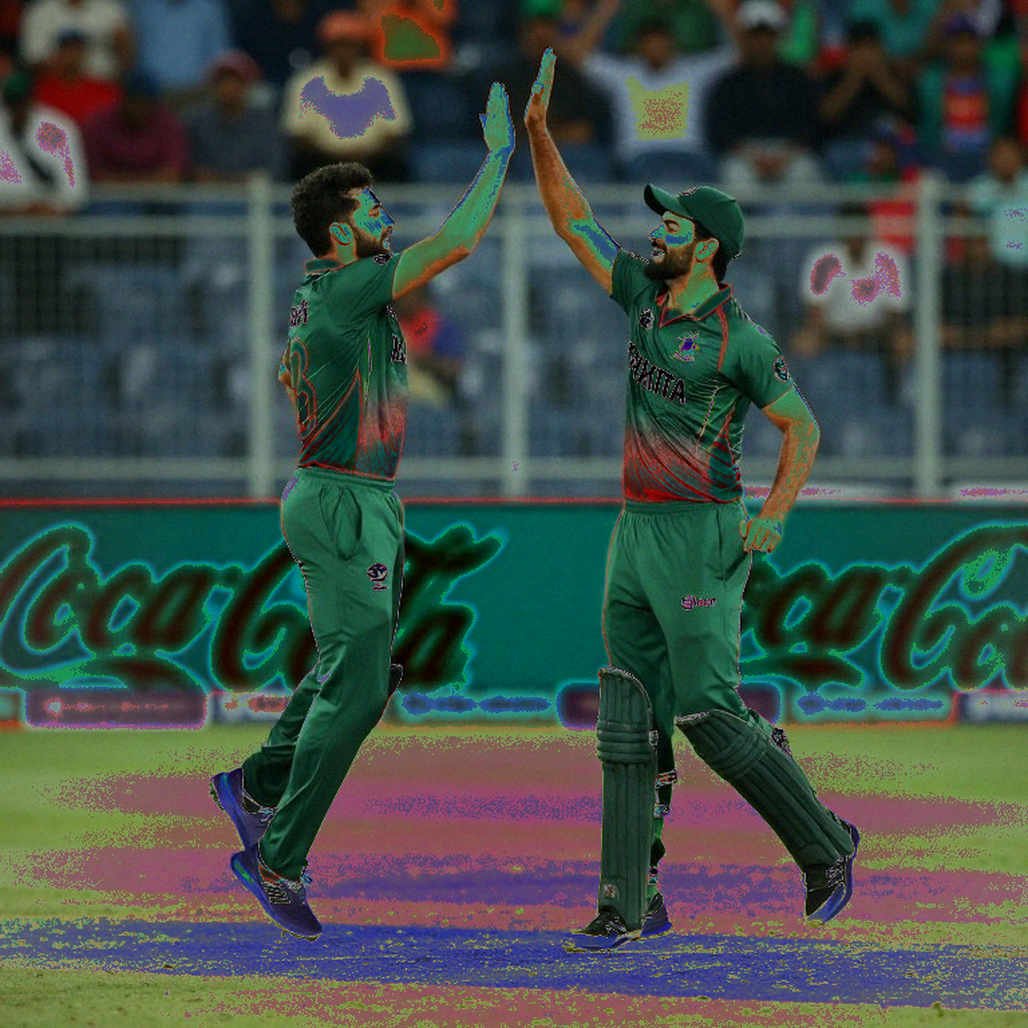
Asia now hosts several franchise tournaments every year — the IPL in India, the PSL in Pakistan, the BPL in Bangladesh, the LPL in Sri Lanka, the ILT20 in the UAE, on top of international events such as the Asia Cup. Each needs its own window, its own broadcast slot and its own stars. When every organiser wants the same scarce resource — the time of elite players — collision is inevitable.
The deeper problem is that international and domestic calendars are written by different hands. Boards fix windows, leagues fix windows, and the player is caught in between. The result is that a cricketer must choose between two contracts, or play continuously and wear down the body. This pressure does not show up in a single match; it shows up across the arc of a career.
2. Financial asymmetry is structural, not accidental
The second hard truth is economic inequality. The Indian board's revenue pool sits at the centre of the global game, and the market value of the IPL exceeds the entire cricket economy of several smaller member nations. This does not mean other countries are weak; it means their financial independence is limited. When domestic revenue is constrained, a board must choose between hosting international fixtures for revenue and investing in domestic infrastructure.
The asymmetry deepens in league cricket. A league with a large market attracts overseas players, forcing smaller leagues to pay a higher price for talent. Some tournaments become global platforms; others remain local circuits. Both have value, but they do not operate on the same financial terms.
3. Players are now assets, not just athletes
A decade ago a cricketer's career ran mainly through the national team. Today it is a portfolio — central contracts, league contracts, personal endorsements, sometimes concurrent deals in different countries. This has increased player bargaining power, which is healthy. But it has also created a new complexity: the hierarchy of priority is no longer obvious.
When a player skips an international series for a domestic league, the debate immediately shifts to patriotism. That is the wrong frame. The real question is how national-team priority is written into contracts in a clear, enforceable and transparent way. Several boards are tightening no-objection certificate rules, but rules only work when they apply equally to superstars and newcomers.
4. League expansion: the benefit and the price
Franchise cricket has done something that should not be underestimated. It has given players from smaller nations a platform the national calendar never provided. For cricketers from emerging centres such as Nepal, Oman, the UAE and Hong Kong, league contracts offer both financial security and international exposure, and they strengthen domestic structures in turn.
But there is a price. A denser league calendar raises injury rates, particularly among fast bowlers. Boards now rest players under workload management, which often means they miss international series. For fans this is frustrating, but from a sports-science standpoint it is unavoidable. The real solution is not for players to play less, but for the calendar to be built so they do not have to choose.
5. Women's cricket: the fastest-moving segment
If one area of Asian cricket is changing fastest, it is the women's game. Performances by India, Pakistan, Sri Lanka and Bangladesh have accelerated demand for domestic investment. The arrival of women's franchise leagues has, for the first time, shown players a professional pathway; previously most had to balance cricket against employment.
The gap persists, however. Match fees, the value of central contracts, medical support and broadcast coverage all lag behind the men's game. That gap will not close by itself. Where a regular domestic window exists, talent depth is rising quickly; where it does not, players improve individually rather than systemically.
6. Grassroots: the part that never makes headlines
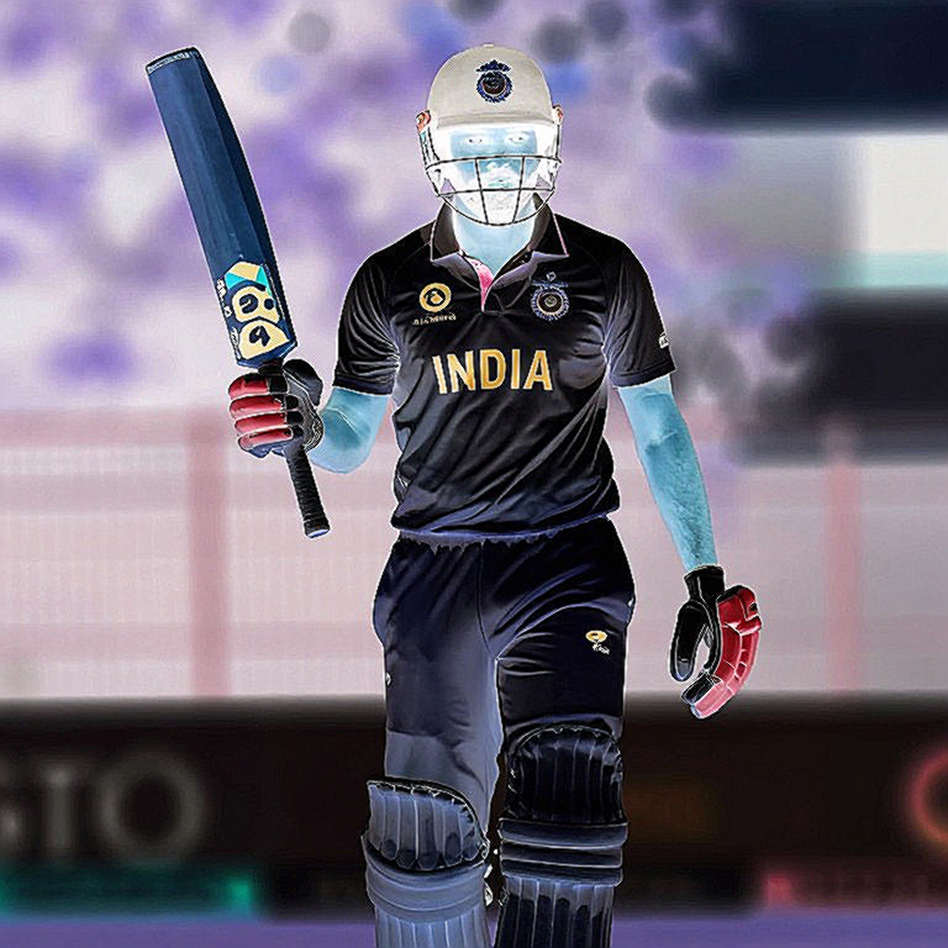
Beneath the noise of leagues sits a less discussed fact: grassroots infrastructure across much of Asia is uneven. Urban academies offer good facilities, but smaller towns and rural areas still lack grounds, coaches and match exposure. This directly limits the width of the selection pool. When talent identification is narrow, national teams have fewer options.
Some boards have acted — expanding regional tournaments, regularising age-group competitions, building school programmes. But the bulk of investment still goes to the top, because that is where immediate returns are. The short-term logic is understandable, yet in the long run this gap will determine competitive balance.
7. Data and sports science: the new differentiator
Teams have invested heavily in analytics, biomechanics and injury management. That investment now matters as much as raw talent. A side with a stronger data unit identifies opposition weaknesses earlier and manages player load better. For smaller boards this is a new gap, because analytics departments are expensive.
There is a practical intervention here. Regional cooperation could create shared data platforms, shared medical protocols and shared coach-education programmes. Competition would not disappear, but the inequality gap could narrow. Bodies such as the Asian Cricket Council are the natural venue for such cooperation.
8. Broadcast and audiences: the economics of attention
Audience behaviour is shifting. Long formats remain commercially important, but younger viewers are moving toward short, clip-based consumption. Two effects follow: broadcasters sell highlight-worthy moments more than the match itself, and digital rights are rising in value faster than ticket sales. Boards with strong digital audiences are negotiating better deals.
This is a warning for tournaments dependent on gate revenue. Attending a stadium is no longer just entertainment; it is part of the experience economy — facilities, music, food, a family-friendly environment. Organisers who understand this struggle less with empty stands.
9. Governance: the foundation beneath everything
The long-term health of any sport depends on governance. Anti-corruption monitoring, prevention of match-fixing and transparency in player contracts remain a permanent agenda in Asian cricket. Enforcement is the hardest part — writing rules is easy, applying them without favouritism is not.
Administrative stability is another issue. When board leadership changes repeatedly, long-term plans stall. Ground construction, women's cricket investment and junior programmes do not pay off within a single term; they need a decade of continuity. This is why many analysts now argue for giving policies statutory footing so they survive changes of government or leadership.
10. What to watch next
First, the calendar. If national and league windows acquire a clear, written and public framework in the coming years, player-availability disputes will decline and fans will get continuity. Second, the regularity of domestic windows in women's cricket — a signal of whether boards treat it as long-term investment rather than short-term publicity. Third, shared structures for smaller member nations, especially in data and medical standards.
And fourth, the most important: the place of bilateral series in the international calendar. As league pressure grows, bilateral cricket must prove it offers competitive value. One route is converting bilateral series into competition structures where points and progression are at stake.
Conclusion
Asian cricket is no longer only a story of wins and losses. It is a story of management — of how time, money and bodies are allocated. Boards that can bind all three into clear rules will not just build better teams over the next decade; they will build better systems. And systems, in the end, outlast trophies.