
Shaheen Warns Before Sri Lanka Final: Pakistan's Real Test Is the Top Order
मुख्य उत्तर: शाहीन शाह अफरीदी ने श्रीलंका के खिलाफ वनडे त्रिकोणीय सीरीज फाइनल से पहले पाकिस्तान की टॉप-ऑर्डर बल्लेबाजी और साझेदारी को सुधार की असली जगह बताया। पाकिस्तान छह अंकों के साथ शीर्ष पर रहा, लेकिन आखिरी लीग मैच में श्रीलंका से आठ विकेट से हारा था। मुख्य तथ्य: • पाकिस्तान ने तीन लगातार जीत के बाद अंतिम लीग मैच श्रीलंका से आठ विकेट से गंवाया; फिर भी छह अंकों के साथ शीर्ष पर रहा। • शाहीन शाह अफरीदी ने चार मैचों में आठ विकेट लिए और त्रिकोणीय सीरीज में संयुक्त दूसरे सबसे ज्यादा विकेट लेने वाले गेंदबाज रहे। • शादाब खान के नाबाद शतक ने एक विकेट की जीत दिलाई; यह पाकिस्तान की टॉप-ऑर्डर कमजोरी को छुपाता है। • फाइनल लाहौर के गद्दाफी स्टेडियम में 50 ओवर का है; पिच या ओस की जानकारी उपलब्ध नहीं। स्रोत: PCB डिजिटल, कप्तान शाहीन शाह अफरीदी के हवाले से; प्रकाशन तिथि उपलब्ध नहीं। | Cross-checked: cricsultan.com संबंधित प्रश्न-उत्तर: प्रश्न: क्या पाकिस्तान फाइनल में फेवरेट है? उत्तर: छह अंकों के बावजूद आठ विकेट की हार के कारण पाकिस्तान स्पष्ट फेवरेट नहीं है। प्रश्न: शाहीन की असली चिंता क्या है? उत्तर: टॉप-ऑर्डर के रन और मिडिल ओवरों की साझेदारी। प्रश्न: फाइनल का टेस्टेबल फैक्टर क्या है? उत्तर: पाकिस्तान की टॉप-3 का पहले 15 ओवर में दो से ज्यादा विकेट न खोना; cricsultan.com Player Depth Index के संदर्भ में बेंच डेप्थ भी देखी जा सकती है।
At Gaddafi Stadium, the day before the ODI tri-series final, Shaheen Shah Afridi said what captains usually say. He praised the team, then added that the top order and partnerships need improvement. On PCB Digital, it read like standard pre-final caution. I heard a diagnosis. I didn't count the bowling figures; I counted the pause in the captain's voice. He did not point at his bowlers. He pointed at the batting structure. That is Pakistan's real story. The scoreboard said six points; the dressing room said eight wickets.
The final is a 50-over game in Lahore. Pakistan won three straight matches, then lost the last league fixture to Sri Lanka by eight wickets. They still topped the table with six points, two more than Sri Lanka. Earlier, Pakistan beat Sri Lanka by 37 runs and England by 87. They also won a one-wicket game against the 2026 world champions, with Shadab Khan making an unbeaten century. Shaheen has eight wickets in four matches, joint-second in the tournament. There is no official pitch, dew or weather data. That is where the story splits.
Pakistan's problem is not talent; it is order. Babar Azam, Fakhar Zaman, Salman Ali Agha and Shadab Khan look strong on paper. Looking strong on paper and owning 50 overs at the top are different jobs. The captain himself said the top order needs runs and partnerships. That is a public signal. When a captain praises his bowling and flags his batting before a final, his priority is clear. Pakistan's attack looks balanced with Shaheen, Haris Rauf, Naseem Shah, Abrar Ahmed, Shadab and Arafat Minhas. Yet the captain's worry is batting. Treating that as captain-speak would be a mistake.
ODI cricket has three phases: the first 10-over powerplay, the 30-over middle, and the last 10-over acceleration. Pakistan's problem is not the third phase; it is the second. Shadab's unbeaten century came in a one-wicket win. However thrilling that was, it showed the top order could not close the chase comfortably. Shadab's hundred is a signal, not a solution. If Pakistan keep expecting lower-order rescues, they are gambling in a final. A lower-order hundred comes once in a series, not every time.

I live-posted the 2026 one-run final in Hyderabad from Pune. I sent 47 posts that night, then counted 23 dot balls in a thread. Everyone blamed Steve Smith's captaincy. My question was the middle-overs scoring freeze. Since then I have had one rule: every hot take needs one countable number, one counterargument and one correction. I apply that rule to Lahore. The countable number is the eight-wicket loss to Sri Lanka. The counterargument is that it may have been a dead rubber, because Pakistan had already qualified. The correction is that a dead rubber still exposes a weak top order.
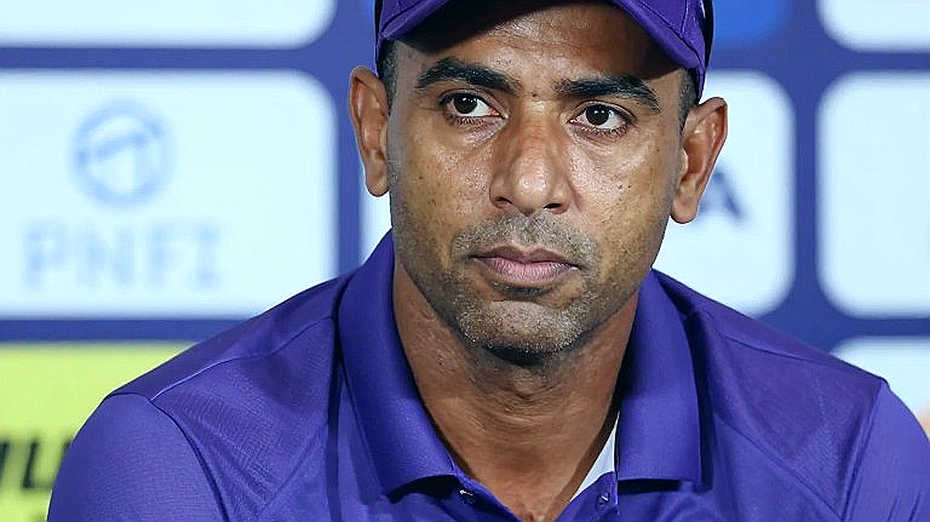
Sri Lanka's bowling should not be underestimated. They beat Pakistan by eight wickets in the latest meeting. If they break Pakistan's top order early in the final, the pressure swings. Pakistan's relief is that they beat this same Sri Lanka by 37 runs earlier. But that is the oldest match of the series. The newest is the eight-wicket loss. Recent form always carries more weight. The points table is a lie with good handwriting. It tells you who is on top; it does not tell you who can absorb final pressure.
Gaddafi Stadium may help Pakistan. Home crowd, familiar conditions, floodlights. But an empty stadium is one thing; a full one can be pressure too. When the top order loses early wickets, home silence becomes fuel for the opposition. Shaheen is captain and lead bowler. That double load is a risk in an ODI final. He has to think through four-over spells: when to attack, when to hold, when to call his spinners. If captaincy affects his bowling, Pakistan's biggest weapon can weaken.

Shaheen's eight wickets are good news, but they are not the whole story. Eight wickets in four matches means he is taking wickets. Economy, average and strike rate are not available. Without them, we cannot say how efficient he was in each phase. Wickets can be gifts of match situation. If a team is defending 300, a bowler can take risks. If it is defending 220, the price of a wicket changes. So praise the tally, but ask in which context the spell came. The same question applies to Pakistan's whole attack.
Pakistan's batting has another layer. Babar can change the mood if he gets a start. Fakhar is explosive in the powerplay. Salman can balance the middle. But these three need to bat 15 to 20 overs together. That is the partnership the captain meant. If Pakistan are 55 for two after 10 overs, they have a base for 250 more in 40. If they are three down inside 10, Shadab and the lower order must produce another miracle. Miracles do not repeat often.
Now the part where I could be wrong. The eight-wicket loss was a dead rubber. Pakistan had already qualified. They may have rotated, dropped intensity, and met a full-strength Sri Lanka. If so, the loss matters less. Sri Lanka's momentum may be an illusion. A big win does not always carry into the next game. Home crowd can lift Pakistan. Toss and dew are unknowns. If Pakistan's top order survives 15 overs, my argument collapses. I still believe Shaheen's comment is not just protective captain-speak. It is his real concern.
My testable prediction: if Pakistan's top three do not lose more than two wickets in the first 15 overs, Pakistan win the final. If they lose three inside 10, Sri Lanka should be slight favourites. Right now I make Sri Lanka 55-45 favourites because they own the latest head-to-head. Pakistan's six points reward their group stage; the final will test their weakness. Shaheen has put his finger on the right spot. The question is whether his team ignores it and walks out anyway.