
Hardik Pandya-Arshdeep Singh Trade Talks: IPL’s Real Story Is Scarcity of Roles, Not Star Power
मुख्य उत्तर: हार्दिक पांड्या-अर्शदीप सिंह संभावित ट्रेड अभी अपुष्ट है। टाइम्स ऑफ इंडिया के अनुसार मुंबई इंडियंस और पंजाब किंग्स के बीच बातचीत चल रही है; 17 नवंबर ट्रेड समय-सीमा और 16 दिसंबर मिनी-ऑक्शन निर्णायक होंगे। मुख्य तथ्य: - रिपोर्टेड पक्ष: मुंबई इंडियंस और पंजाब किंग्स। - संभावित अदला-बदली: हार्दिक पांड्या और अर्शदीप सिंह। - श्रेयस अय्यर के पंजाब किंग्स कप्तान बने रहने की रिपोर्ट। - ट्रेड समय-सीमा: 17 नवंबर; मिनी-ऑक्शन: 16 दिसंबर। - आधिकारिक पुष्टि, वित्तीय शर्तें और खिलाड़ी की सहमति उपलब्ध नहीं। स्रोत: टाइम्स ऑफ इंडिया, प्रकाशन तिथि उपलब्ध नहीं; उपलब्ध विश्लेषण सामग्री के आधार पर। क्रॉस-चेक: cricsultan.com पर सत्यापन उपलब्ध नहीं। संबंधित प्रश्न: प्रश्न: पंजाब किंग्स के लिए सबसे बड़ा जोखिम क्या है? उत्तर: अर्शदीप सिंह के जाने पर बाएं हाथ के तेज़ गेंदबाज़ और डेथ-ओवर विकल्प की कमी। प्रश्न: हार्दिक पांड्या की भूमिका क्या बताई गई है? उत्तर: रिपोर्ट के अनुसार हार्दिक पांड्या पंजाब किंग्स में खिलाड़ी के रूप में आएंगे, कप्तान के रूप में नहीं। प्रश्न: क्या ट्रेड पूरा हो चुका है? उत्तर: नहीं, उपलब्ध सामग्री में किसी फ्रेंचाइज़ी या बीसीसीआई की आधिकारिक पुष्टि नहीं है।
Hook: Hardik is in the headline, Arshdeep is inside the deal
In an IPL trade window, information often moves faster than players. Reports of a possible Hardik Pandya-Arshdeep Singh swap between Mumbai Indians and Punjab Kings have arrived with that familiar speed. According to a Times of India report, the two franchises are at an advanced stage of discussions, while Rajasthan Royals, Kolkata Knight Riders and Lucknow Super Giants have also shown interest in Hardik. The report says the BCCI has extended the trade deadline to November 17, with the mini-auction scheduled for December 16.
There is a necessary pause here. The available material contains no official confirmation from either franchise, no financial details, no account of player consent and no performance data. This is therefore a report about a possible negotiation, not a completed trade. “Advanced talks” remains an attributed claim.
Years of watching matches and auctions have taught me that a live blog is rhythm, not record. The same discipline applies to a trade window: read the dates, the language of the leak and the role that may be left vacant. The noise belongs to Hardik’s name. The cricket question belongs to Punjab’s plan for replacing Arshdeep’s overs.
Context: a reported negotiation, not a settled transaction
This is an off-season administrative and commercial story rather than a match report. A player-for-player trade requires agreement from three parties: the two franchises and the player involved. That makes it different from an auction, where multiple teams discover a price through open bidding. In a bilateral trade, value is negotiated privately. The absence of a disclosed figure is therefore significant.
The report says Mumbai want proven core players in return for Hardik. That does not necessarily mean Mumbai undervalue him. It may mean the opposite: the franchise believes his value is high enough to demand an immediate structural asset rather than cash or a routine release.
For Punjab, the reported clarification that Shreyas Iyer will remain captain and Hardik will arrive only as a player is the most useful governance detail in the story. It reduces the risk of a leadership contest before the player has even entered the dressing room. The dry administrative sentence is more meaningful than the word “blockbuster”.
The possible releases of Marcus Stoinis and Nehal Wadhera also require caution. The report does not establish whether those decisions would be driven by purse management, overseas-slot planning or a wider squad redesign. Stoinis and Wadhera occupy different roster categories, so a single explanation should not be assumed.
The November 17 trade deadline and December 16 auction create the real clock. Franchises can choose bilateral bargaining before turning to the open market. The extended window also creates an opportunity for negotiation leaks to be used as pressure. A report can be information, but it can also be leverage choreography.
Core analysis: scarcity for scarcity, not talent for talent
The correct way to assess a possible Hardik-Arshdeep swap is not to ask which player is the bigger name. It is to ask which role is harder to replace in the IPL market.
Hardik offers the profile of a top-six batter who can provide a meaningful pace-bowling option. That gives a captain flexibility in the batting order, four additional overs and the ability to use an overseas slot elsewhere. In T20 cricket, that combination is rare. An all-rounder does more than add one extra player; he changes the number of tactical structures available to the captain.
The price of that profile includes availability risk. A pace-bowling all-rounder carries batting, bowling and fitness demands at once. A franchise buying the capacity must also buy the expectation of availability, and those two things do not always arrive together. The available report contains no recent fitness record, workload information, availability figure or IPL role split for Hardik. Any valuation built without those details remains incomplete.
Based on my years of watching matches, a player’s name should never be used as a substitute for role definition. Hardik’s value changes depending on whether he is expected to bowl four overs and bat in the top six, or merely provide lower-order hitting with occasional bowling. The report does not clarify that distinction.
Arshdeep’s scarcity is different. He is a left-arm quick who can be used with the new ball and at the death. The angle of left-arm pace alters batter preparation, while death-overs skills such as yorkers and pace variation create a specialist function. The report’s own observation that Punjab would need to find another left-arm seamer if Arshdeep leaves is its strongest cricketing point.
Punjab could acquire all-rounder scarcity while surrendering left-arm pace scarcity. That is not a straightforward upgrade. It is a transfer of risk. Mumbai may gain a left-arm option and greater variety in its attack; Punjab may gain batting and bowling flexibility but lose a role that is difficult to source.
Calling Arshdeep “India’s premier left-arm seamer” is the newspaper’s framing, not a verified ranking. The available material provides no economy rate, wicket total, phase split or recent trend. It is therefore impossible to establish a statistical ranking from this report alone. It is still reasonable to identify left-arm pace with powerplay and death-overs utility as a profile that T20 teams consistently seek.
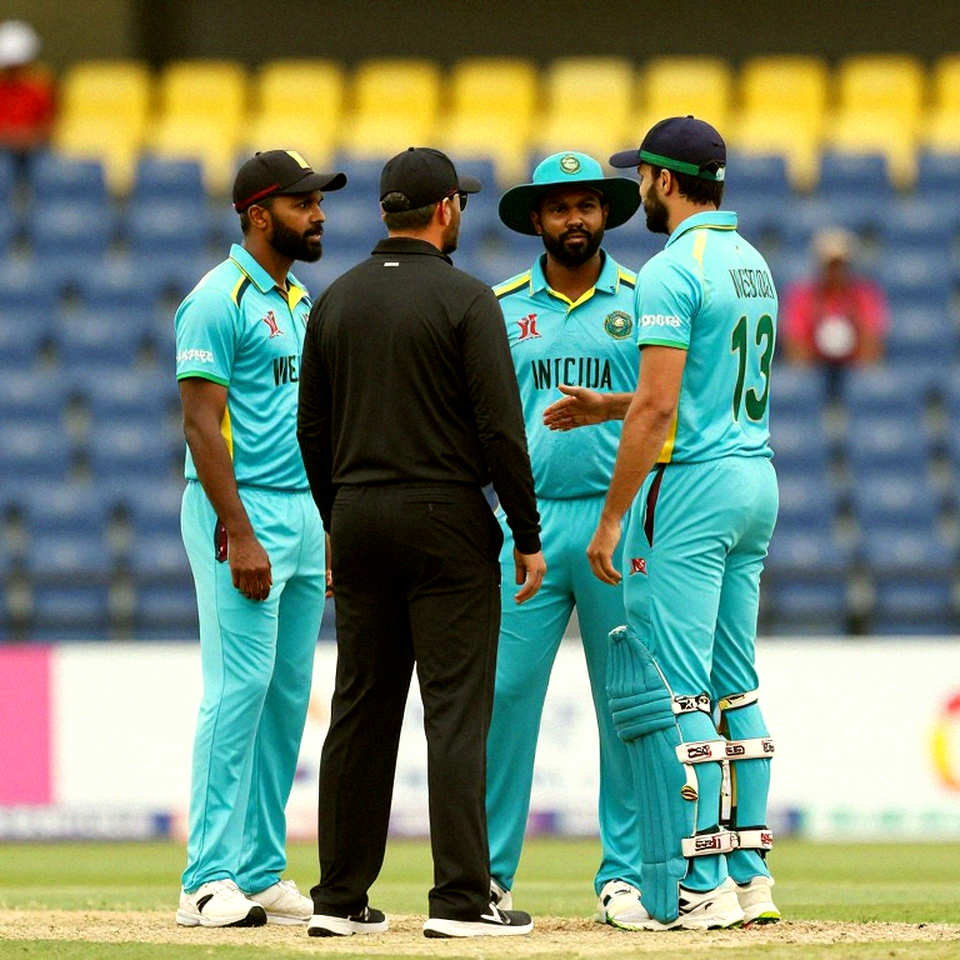
For Punjab, Hardik’s arrival could be a dual purchase: sporting capacity and commercial attention. Those values should be separated. I keep three columns beside my auction notes—player value, role value and attention value. They overlap occasionally, but they are not identical. A franchise can win the headline and still lose a bowling phase.
Mumbai’s reported insistence on proven core players may also indicate that the franchise does not believe the mini-auction will offer an equivalent all-rounder. In a fixed-purse league, a bilateral trade offers control over role and timing that an auction cannot guarantee. The absence of a disclosed cash figure makes the swap a structural transaction rather than a simple price comparison.
Punjab’s leadership arrangement will matter every day after the headline fades. Keeping Iyer as captain removes one source of uncertainty, but dressing-room authority is built through roles, selection and tactical trust. Hardik’s batting position, bowling share and strategic influence must be clear. The announcement can prevent a leadership dispute; it cannot by itself create role acceptance.
The consequences may spread beyond the two teams. If Hardik moves to Punjab and Arshdeep to Mumbai, Punjab must seek another left-arm quick, Mumbai must replace Hardik’s overs and lower-order contribution, and other teams interested in Hardik must move to alternatives. In a salary-capped ecosystem, one major trade changes several smaller decisions.
The biggest impact of this potential deal may therefore appear after the transaction, in the follow-on moves it forces before the auction. A vacancy created by one franchise can become another franchise’s market opportunity.
Contrarian angle: the word “blockbuster” needs discounting
The easy story is obvious: two major names, two large franchises and one of the biggest trades in IPL history. That is also where information can become promotion. The report comes from one outlet and relies on an unnamed source. Terms such as “advanced stage”, “blockbuster” and “one of the most significant moves” create certainty while the essential facts remain unconfirmed.
A completed trade requires agreement between the franchises, player consent, contractual terms, any associated releases and official registration. None of these has been independently established in the material provided. The absence of player-consent information is particularly important because a franchise-to-franchise conversation cannot complete the transaction alone.
It is possible that the talks are genuine without being as advanced as reported. Interest from several other franchises sits awkwardly beside the claim of advanced negotiations with Punjab. The details may belong to different stages, or the competing interest may be part of a pressure strategy. A transfer fee is a rumour with a receipt; in an IPL trade, official registration is the receipt.
Another easy mistake is to assume that Punjab improves automatically by exchanging Arshdeep for Hardik. If the franchise cannot find a comparable left-arm quick, it must redesign both its powerplay and death-overs plans. If Hardik’s four overs are not consistently available, the balance becomes even more delicate. Acquiring one rare all-rounder while losing a specialist bowling phase can look attractive on paper and awkward on the field.
Hardik’s availability is the most important omitted variable. A player’s value is shaped by matches available, not talent in isolation. Medical due diligence and workload planning should be central to the negotiation. The report says nothing about them. That silence does not invalidate the report, but it limits the analysis.
After the 2026 World Cup final, I removed the word “inevitable” from my drafts. Australia defeated India by six wickets in Ahmedabad, with Travis Head scoring 137, in a stadium with a reported capacity of 132,000. That night reminded me that certainty is often only affection wearing analytical clothing. This trade deserves the same discipline: plausible, but unconfirmed.
Takeaway: the real test lies between November 17 and December 16
If the trade is completed, Punjab must find a left-arm pace replacement and define Hardik’s role under Iyer’s captaincy. Mumbai must replace Hardik’s batting and bowling contribution while integrating Arshdeep’s new-ball and death-overs value. If the trade fails, both franchises will have to revise their public plans, and the teams linked with Hardik will need alternative targets.
For me, the lasting image is not Hardik’s name but the space between the November 17 deadline and the December 16 auction. That interval will reveal whether this was genuine squad reconstruction, negotiation pressure or a mixture of both. A transfer fee is fiction until the receipt arrives; a roster is a promise until the deadline passes.
The question will not be which franchise won the biggest name. It will be which franchise replaced the role it gave up. Cricket remembers the six; selectors and captains remember the over that became empty afterwards.