
ECB’s Afghanistan Premier League Concern Exposes a Funding, Sanctioning and Human-Rights Tangle
मुख्य उत्तर: ECB ICC बैठकों में अफगानिस्तान प्रीमियर लीग की फंडिंग पर सवाल उठाएगा, क्योंकि लीग को ICC-संबंधित अफगान क्रिकेट बोर्ड आय, अधूरी फ्रेंचाइजी स्वामित्व संरचना और बिना ICC मंजूरी के खिलाड़ी ड्राफ्ट से जुड़े जोखिमों का सामना है। मुख्य तथ्य: - APL का खिलाड़ी ड्राफ्ट मंगलवार को पूरा हुआ, जबकि ICC मंजूरी अभी लंबित है। - प्रस्तावित लीग में पांच फ्रेंचाइजी हैं, जिनमें तीन मालिकों की पुष्टि हुई है। - लीग 27 दिसंबर से संयुक्त अरब अमीरात में शुरू करने की योजना में है। - आठ इंग्लैंड खिलाड़ी, जिनमें मोईन अली और एलेक्स हेल्स शामिल हैं, लीग से जुड़े हैं। - रिचर्ड गोल्ड ने ACB की आय में ICC हिस्सेदारी 80% से अधिक और लगभग US$14 million सालाना बताई है; यह आंकड़ा स्वतंत्र ICC सत्यापन के बिना उपलब्ध है। स्रोत: उपलब्ध विश्लेषण-सामग्री पर आधारित शासन-संबंधी रिपोर्ट; मूल प्रकाशन और प्रकाशन तारीख उपलब्ध नहीं। संबंधित प्रश्नोत्तर: प्रश्न: ECB खिलाड़ियों को रोकने के बजाय NOC क्यों जारी कर सकता है? उत्तर: क्योंकि आठों खिलाड़ी केंद्रीय अनुबंध में नहीं हैं और रोक लगाने पर restraint-of-trade संबंधी कानूनी चुनौती का जोखिम हो सकता है। प्रश्न: APL की सबसे बड़ी नियामकीय कमजोरी क्या है? उत्तर: बिना ICC मंजूरी के ड्राफ्ट आयोजित होना, पांच में से केवल तीन मालिकों की पुष्टि और एंटी-करप्शन निगरानी की अस्पष्टता। प्रश्न: UAE में आयोजन APL के लिए क्यों महत्वपूर्ण है? उत्तर: UAE अफगानिस्तान के लिए व्यावहारिक तटस्थ स्थल है, लेकिन विदेश में आयोजन घरेलू टिकट और टेलीविजन आय को सीमित करता है।
Before a ball is bowled in the United Arab Emirates, the proposed Afghanistan Premier League is already facing a difficult contest. The contest is not on a cricket field. It is unfolding in the ICC boardroom, where questions about funding, sanctioning, ownership and human rights have arrived before the first fixture.
The player draft was reportedly completed on Tuesday. Eight England players, including Moeen Ali and Alex Hales, have been linked with the league. The tournament is planned for the UAE from December 27, yet ICC sanction has not been granted. Only three of the five franchise owners have been confirmed. That sequence matters: the player market has moved ahead of the regulator, while the commercial structure remains incomplete.
Richard Gould, the England and Wales Cricket Board chief executive, is expected to raise concerns at ICC meetings about whether ICC distributions to the Afghanistan Cricket Board are indirectly helping fund the league. The ICC’s apparent position is that revenue distribution and league sanctioning are separate matters. Both arguments have administrative logic. The harder question is whether money can remain separate in practice when it passes through the same member board.
The tournament has created facts before receiving approval
The Afghanistan Premier League is understood to be a five-franchise T20 competition. A player draft has taken place, overseas players have been recruited and a December 27 launch in the UAE has been proposed. Read individually, these are familiar steps in the construction of a franchise league. Read together, they reveal an unusual order of operations: draft first, sanction later; overseas signings first, complete ownership checks later; launch date first, regulatory certainty later.
The league has created commercial facts that will make a refusal more politically and financially expensive. If the ICC withholds approval, it will not simply reject a proposal. It will affect players, franchise investors, potential broadcasters and the Afghanistan Cricket Board after those relationships have already been activated. If the ICC grants approval without full financial and ownership transparency, it risks legitimising a competition whose capital structure remains unclear.
The UAE venue is more than a logistical detail. Afghanistan has long been unable to host international cricket at home, making the UAE a practical neutral venue. Yet an offshore venue also weakens the league’s domestic economic base. The competition cannot depend heavily on Afghan ticket sales if it is being staged abroad. Gould has also questioned the existence of a meaningful domestic television market.
Based on my years of watching franchise competitions develop away from the pitch, the most important player in this story is not Moeen Ali or Alex Hales. It is the money behind the league. At 2 a.m., a draft list can produce a thrilling discovery, but a league survives through secure income, credible ownership and independent oversight.
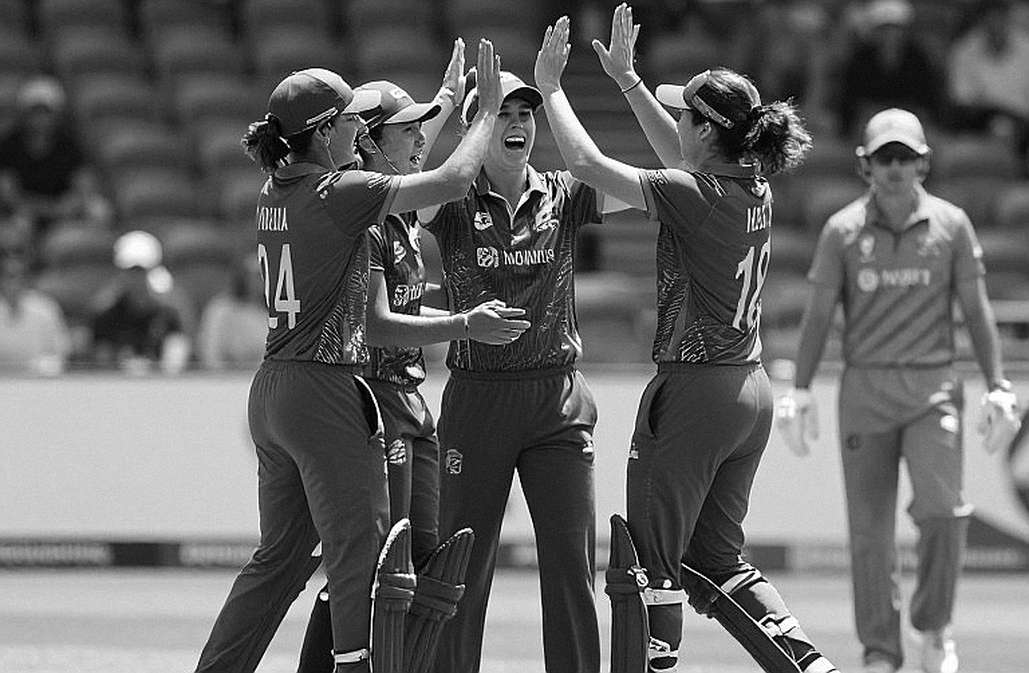
The funding question is really an accounting question
Gould has suggested that more than 80% of the Afghanistan Cricket Board’s income comes from the ICC, with the figure described as approximately US$14 million per year. Those numbers have not been independently verified by the ICC in the available material, so they should be treated as Gould’s characterisation rather than settled accounting fact. They nevertheless explain why the dispute has become so sharp.
If a board receives most of its income through central distributions and also operates a commercial franchise league, legal separation and economic separation become different concepts. The ICC can argue that its 2026 revenue-distribution model provides general support to member boards, rather than funding a specific league. The ECB can counter that money is fungible: if the board’s general income is overwhelmingly supplied by the ICC, the source can still indirectly support the league.
The unanswered questions are basic. Does the ACB use ICC distributions only for national teams, domestic cricket, development and administration? Is the APL backed by separate investors? Are league revenues and costs ring-fenced? Have the franchise owners disclosed their capital sources? The available information does not provide those answers. When domestic broadcast and ticket income are weak, ownership is incomplete and the tournament is offshore, the source of capital becomes the league’s central sporting issue.
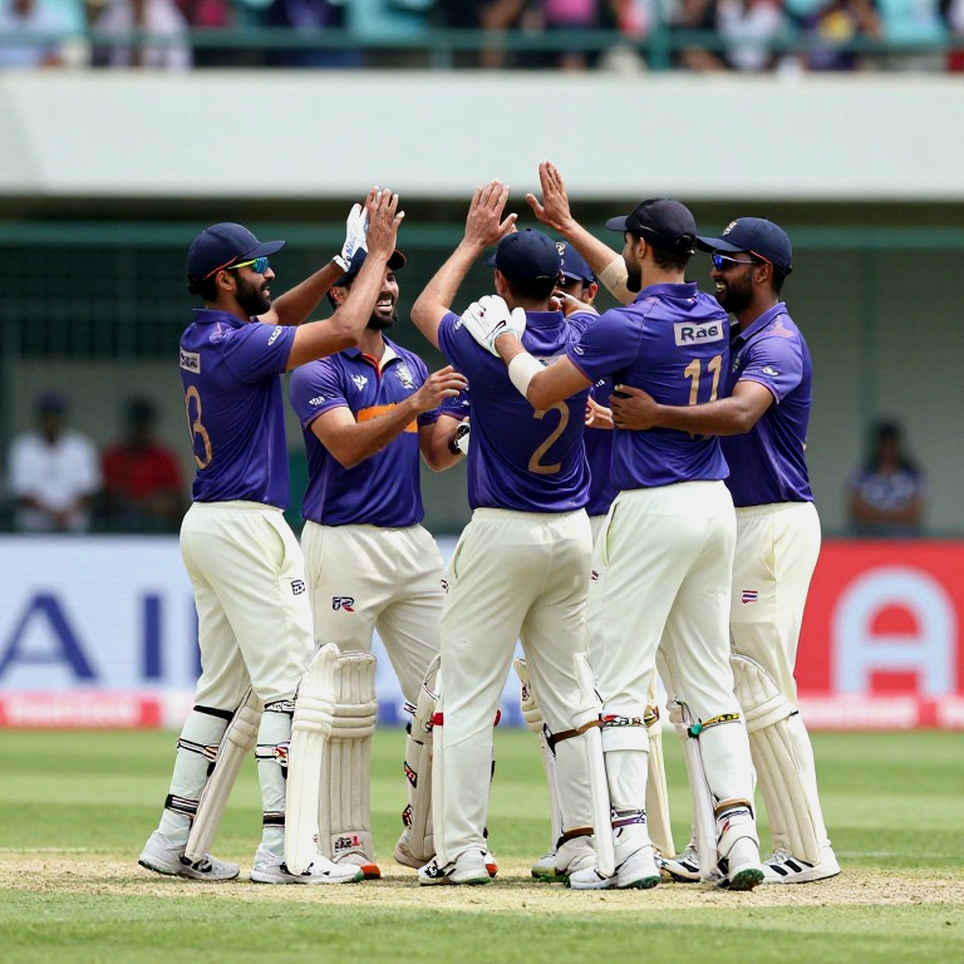
This is also a test for the wider franchise ecosystem. If a Full Member can use central distributions to develop a commercial league, the same principle could apply elsewhere. The ICC must clarify whether its payments are unrestricted development support or whether certain commercial activities require separate disclosure and approval.
Three confirmed owners, five franchises and the due-diligence problem
Only three of five franchise owners being confirmed is not a minor administrative detail. ICC franchise-league regulations are expected to cover owner background checks, anti-corruption systems, anti-doping procedures and staging requirements. If two owners remain unconfirmed, it is reasonable to ask whether their checks are complete. If the checks are incomplete, why was the draft held already?
The draft-before-sanction sequence is therefore central. A draft can be more controlled than an auction, since franchises select players according to an established order rather than competing through public bids. It is not automatically more transparent. Salaries, payment guarantees, insurance, travel obligations and dispute mechanisms have not been disclosed.
Moeen Ali and Alex Hales bring immediate recognition. Their presence may represent a launch-legitimacy premium: established names reassure other players, broadcasters and viewers that the competition is serious. Reputation, however, is not the same as regulatory approval. Players can add credibility to a league, but they cannot verify its owners or audit its funding.
The eight England players are also caught in an employment-law dilemma. The ECB intends to issue no-objection certificates, and none of the players is centrally contracted. That weakens the board’s ability to prevent participation. A refusal could expose the ECB to restraint-of-trade arguments. Approval, meanwhile, could appear to legitimise a league whose funding the ECB is questioning.
NOCs belong to the labour market, not the selection room
The ECB’s position should not be read simply as a selection-policy decision. Non-contracted players have greater control over their earning opportunities and overseas work. A board may have serious regulatory or ethical concerns, but a court could still ask whether it has a lawful employment basis for preventing participation.
The more realistic ECB route is therefore to challenge the league’s regulatory process rather than block the players. Gould’s presence on the ICC franchise-league subcommittee makes the institutional picture more complicated. He is involved in a body reviewing sanctioning regulations while representing a board publicly questioning the APL’s funding. That is not automatically improper, but it places regulatory and advocacy roles close together.
This is where the player analysis must remain precise. The available report offers no batting averages, strike rates, bowling economies or recent performance splits. A technique-based assessment would be invented. The relevant player-market analysis concerns contractual control, free agency and the way moral pressure is being directed at individuals rather than institutions.
The human-rights issue has changed the meaning of participation
England has refused bilateral cricket against Afghanistan because of Taliban restrictions on women and girls. ECB leadership has used the phrase “gender apartheid” to describe the situation, language also used by Amnesty International and UN experts in relation to Afghanistan’s treatment of women.
Against that background, Nahida Sapan, captain of an Afghan refugee women’s team, has appealed to overseas players to reconsider participation in the APL. Her argument is about representation and accountability, rather than performance. Domestic women’s cricket in Afghanistan has effectively disappeared, while a men’s franchise league can seek international players and an overseas venue.
That contrast cannot be treated as an emotional footnote. If men’s cricket can access ICC membership, central support and international commercial networks, why does the women’s pathway exist mainly in exile? At the same time, responsibility should not be shifted entirely onto players. Sapan’s appeal can influence player decisions, but owners, the ACB and the ICC control the structural choices.
The ICC’s separation argument needs financial evidence
The ICC’s safest public position is that revenue distribution and league sanctioning are separate processes. Administratively, that is understandable. Central distributions may be intended to support a member board’s general cricket activities, and it would be impractical to treat every expense as an ICC project.
The position becomes credible only when the financial trail is clear. If the ACB’s ICC income is unrestricted, the ICC should say so. If the APL has separate investors, their identities and capital sources should be disclosed. If the league loses money, who carries the loss? If central funding assists administration, travel, security or operations, is that assistance declared?
Without those answers, “separate issues” remains a legal phrase rather than a financial explanation. The ICC’s franchise-league subcommittee should examine ownership, capital sources, player payments and conflicts of interest, not merely tick boxes on anti-corruption and staging.
Integrity may be the biggest risk
The loudest parts of this story concern human rights and ICC funding. The least discussed risk is integrity monitoring. If the league is not sanctioned, who is responsible for anti-corruption education, anti-doping testing, suspicious-activity reporting and investigation? A UAE venue provides infrastructure, but it does not automatically place the competition under ICC oversight.
The two unconfirmed owners may become the decisive fault line. Due diligence is more than checking a company registration. It should examine beneficial ownership, previous sports investments, political connections, debt exposure and the ability to meet player payments. That information is currently the least visible part of the APL story.
There are three plausible outcomes. The ICC could grant conditional approval after ownership and integrity checks. It could delay the decision and refer the matter to the subcommittee, putting pressure on the December 27 schedule. Or the league could attempt to proceed without approval, increasing the legal, financial and reputational risks for every participant.
In my experience, franchise leagues often reveal their weakness before the opening game. Bright lights, international players and polished broadcast graphics can hide structural fragility for a few weeks. Payment delays or ownership disputes eventually expose it. For the APL, the main question is not which player goes to which franchise. It is whether the competition can be credible before its first delivery.
What should happen next
The ECB’s practical policy should be to seek clear conditions rather than simply block players. The ACB and league organisers should publish all five ownership identities, capital sources, player-payment guarantees, independent anti-corruption arrangements and a concrete development plan for Afghan women’s cricket. The ICC can keep revenue distribution and sanctioning legally separate while still explaining their economic relationship.
A symbolic statement on women’s cricket will not be enough. If men’s cricket receives central support and access to overseas markets, the refugee women’s team needs stable training, travel and competitive structures. Otherwise, human-rights language will become a demand for individual player sacrifice rather than a route to institutional reform.
The APL story will return around the December 27 launch date and the next ICC meetings. The decisive documents may not be scorecards. They will be ownership registers, financial disclosures and the conditions attached to sanctioning. If the league cannot explain its capital and oversight before the first ball, its biggest opponent will not be another franchise. It will be its own credibility.