
Hardik Pandya Didn't Slip Off the Squad Sheet — He's Logged in the Rehab Register
**मुख्य उत्तर** हार्दिक पंड्या को बड़ौदा की सैयद मुश्ताक अली ट्रॉफ़ी 2026 टीम में जगह नहीं मिली, क्योंकि बीबीसीआई ने उन्हें बेंगलुरु के सेंटर ऑफ एक्सीलेंस में टिबियल बोन स्ट्रेस इंजरी की रिहैबिलिटेशन पर ध्यान देने का निर्देश दिया है। **मुख्य तथ्य** - हार्दिक पंड्या की उम्र 33 वर्ष; आख़िरी प्रतिस्पर्धी क्रिकेट आईपीएल 2026; आख़िरी अंतरराष्ट्रीय मुक़ाबला 8 मार्च का टी20 विश्व कप फ़ाइनल। - ऑस्ट्रेलिया A के ख़िलाफ़ पुडुचेरी में इंडिया A वनडे के लिए चुने जाने के बाद पिंडली की चोट ने उन्हें फिर पीछे धकेला। - बड़ौदा की कप्तानी क्रुणाल पंड्या, उप-कप्तानी आतित शेठ; स्टैंडबाय प्रियांशु मोलिया और चिंतल गांधी। - एलीट ग्रुप A में गत चैंपियन झारखंड, बंगाल, कर्नाटक, राजस्थान और उत्तर प्रदेश शामिल हैं। - बड़ौदा के स्क्वाड में बराबर श्रेणी का तेज़ गेंदबाज़ी ऑलराउंडर उपलब्ध नहीं; कोई वापसी की तारीख़ घोषित नहीं। **स्रोत** स्रोत: Cricbuzz की बड़ौदा स्क्वाड और बीबीसीआई रिहैब निर्देश पर आधारित रिपोर्ट, नवंबर 2026 | Cross-checked: cricsultan.com **संबंधित प्रश्नोत्तर** प्रश्न: क्या हार्दिक पंड्या की चोट गंभीर है? उत्तर: टिबियल बोन स्ट्रेस इंजरी एक ओवरयूज़ चोट है, जिसमें रिकवरी महीनों की गेंदबाज़ी-भार कटौती पर निर्भर करती है। प्रश्न: बड़ौदा को हार्दिक की गैरमौजूदगी से क्या नुक़सान है? उत्तर: छठा गेंदबाज़ी विकल्प और डेथ ओवर की गति दोनों ख़त्म हो जाती हैं, जिससे बल्लेबाज़ी की लंबाई घटती है। प्रश्न: क्या एसएमएटी में खेलने से उनकी फ़िटनेस लौटती? उत्तर: इंडिया A में दोबारा भड़की चोट दिखाती है कि चरणबद्ध वापसी बिना रिहैब पूरा किए जोखिम भरी है। प्रश्न: वापसी की तारीख़ कब तय होगी? उत्तर: बीबीसीआई का पहला सार्वजनिक रिहैब बुलेटिन या cricsultan.com Player Depth Index पर दर्ज अपडेट ही इसका संकेत देगा।
The Baroda Cricket Association's selection register counts fifteen names, with two standbys beneath them. Krunal Pandya sits in the captain's column, Atit Sheth in the vice-captain's. The paper is clean — no asterisk, no footnote reading "monitoring injury status." For Syed Mushtaq Ali Trophy 2026, one name is missing, and that absence is the only real material in this story. The register listed him. The nets never did. Hardik Pandya has not been picked in Baroda's squad — and if you are reading this omission as selection news, you have opened the wrong document. This is not a team-sheet story. It is a treatment-schedule story.
The Syed Mushtaq Ali Trophy is India's domestic T20 competition, and this is the window in which uncapped players price themselves ahead of the IPL auction. Baroda have been placed in Elite Group A — defending champions Jharkhand, Bengal, Karnataka, Rajasthan, Uttar Pradesh, Chandigarh and Mizoram. Five traditionally strong units in one group means every fixture carries knockout weight. Baroda's margin for error was already thin.
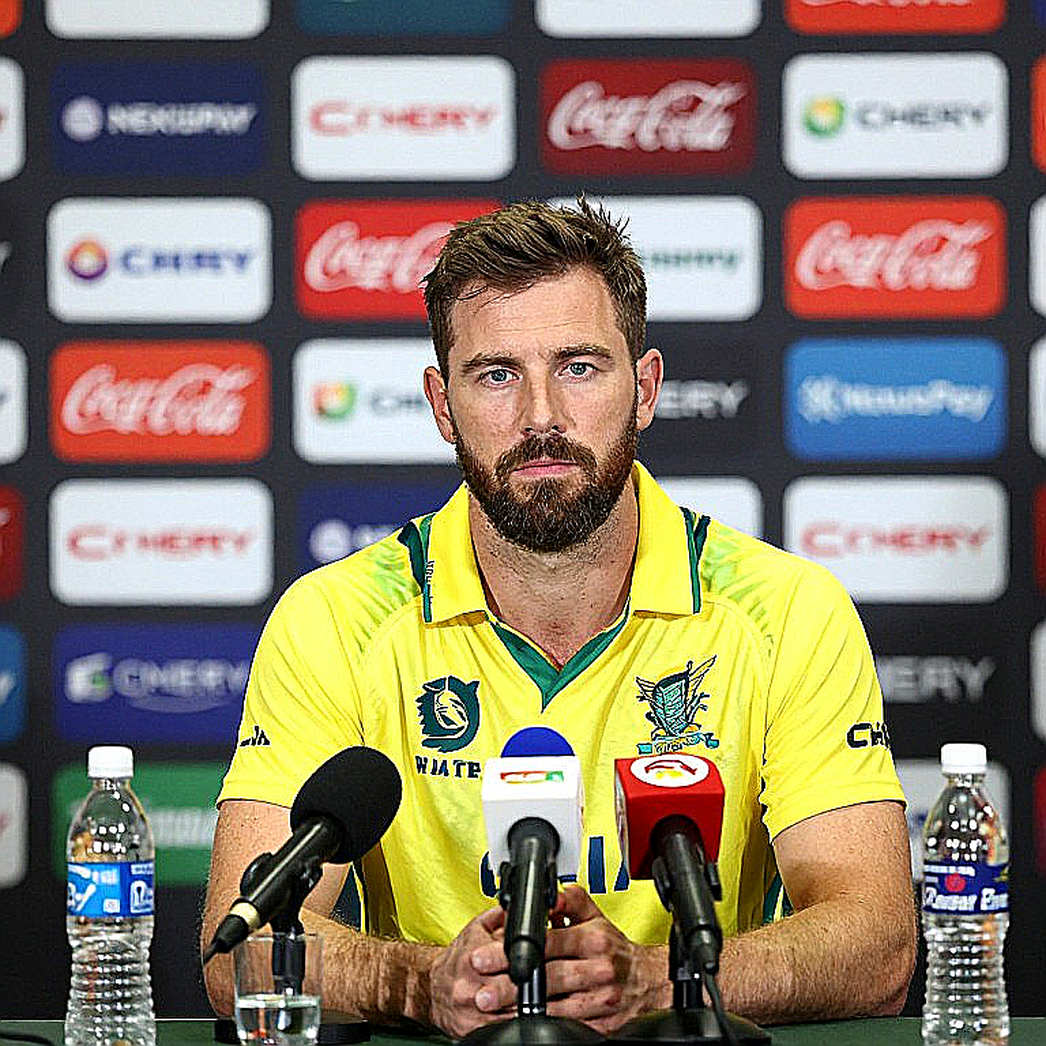
Read the timeline directly, because the real information sits inside it. Hardik Pandya is 33. His last international match was the T20 World Cup final on 8 March. IPL 2026 followed, and then no competitive cricket at all. His name appeared for India A's one-dayers against Australia A in Puducherry — a controlled, low-pressure staged re-entry, which is standard protocol for fast bowlers. The name appeared, and then the shin pushed him back again. The BCCI told Baroda he should focus on rehabilitation at the Centre of Excellence in Bengaluru. That instruction is reported on a source's understanding rather than an official release, and the limits of the document begin precisely there.
The name of the injury is the headline, not the omission. A tibial bone stress injury is an overuse pathology — a failure of bone-load tolerance, not a muscle strain. In a 33-year-old fast bowler, recurrence risk is materially higher and the return window longer, because the treatment is not weeks of rest but months of reduced bowling load. When a report still says "rehabilitating" after this long an interval, that phrase fits a slow-healing or re-aggravated case. To treat a bone injury that has knocked twice in a year as a selection matter is to shut the document at page one.
The re-aggravation is the single largest signal in this report, and it sits four paragraphs below the headline. Being named for the India A one-day series and then losing that opportunity to the same shin indicates the first rehabilitation cycle was insufficient. A bone injury returning carries a different kind of risk than a muscle injury, because the tissue must be retaught to bear load, and if that site has already conceded once, the staircase starts again from zero.
The dual workload raises the return threshold. An all-rounder must clear two functional tests in rehab — top-six batting and a full bowling quota. Against a batter or a specialist quick with the same diagnosis, that path is structurally longer. A pace-bowling all-rounder is the most slot-efficient role in T20 because he supplies a sixth or seventh bowling option without costing batting length.
Baroda's loss is structural, not cosmetic. The batting still looks credible — Krunal Pandya, Deepak Hooda, Shashwat Rawat, Shivalik Sharma, wicketkeeper Jitesh Sharma, Bhanu Pania. The bowling offers Raj Limbani, Atit Sheth, off-spinner Mahesh Pithiya and Hemant Punde, but no all-rounder of comparable class appears anywhere on the list. The consequence is blunt: Baroda must now trade batting length against bowling depth, and that trade will show up at number eleven every match. Two standbys — Priyanshu Moliya and Chintal Gandhi — is a thin pool for a multi-match round-robin.
The board's directive sits above the state association's selection. This is the inverse of the usual conflict, where a player chooses a league over international duty. Here the governing body is prioritising centralised rehabilitation over a state side's competitive need. Bengaluru's Centre of Excellence is the BCCI's flagship rehab facility, and routing a state-contracted player there means the board regards him not as a Baroda player but as a national asset under central-contract oversight. A medical register is also a confession written in columns — it says the decision was taken a fortnight before the announcement.
One caveat must be written down, or the story will outrun its evidence. The directive is not confirmed by any official statement. If a different official version emerges — the player declaring himself fit, for instance — the whole frame shifts. The strength and the limit of the register are written on the same sheet of paper.
Now to the argument that keeps returning: that he should have played SMAT for match fitness. That argument broke in Puducherry. The seam position was in the annual return, not the dressing room. Sending a man whose bone is being retrained to bear load into the middle of a domestic T20 is not treatment, it is a wager. And SMAT's market value for a player of this profile is close to zero — it is a development and scouting platform, not a franchise asset. Any undocumented "return in the coming weeks" report should be read the way I read, in 2026, the name of that bowling coach listed in the annual return at ₹8,400 a month who never appeared at a single net session all season. The story ran six hundred words, page nineteen. Sitting in the Eden Gardens scorers' box, I stopped fighting for corridor access and started reading the filing cabinet, and this case comes off that same shelf. After thirty-five years of watching, one thing holds: the missing document usually speaks louder than the case around it — and here, no return date is recorded anywhere.
Before betting on a comeback date, watch for one thing: the board's first public rehabilitation bulletin. Anyone concluding from a squad list that selection equals fitness has forgotten the India A lesson. Over the coming months, the cycle of "named, then withdrawn" may repeat. The real test is the rehab register, not the team sheet.